
Van T-shirt business starten naar succesvolle onderneming: Jouw complete gids
- Date
Thinking about starting a T-shirt business? It’s a popular idea, and for good reason. People love custom tees, and the market is definitely there. This guide is here to walk you through the whole process, from figuring out what kind of shirts to make to actually selling them online. We’ll cover the important stuff so you can get your own T-shirt shop up and running.
Key Takeaways
- Figure out who you’re selling to and what makes your T-shirts special. This helps you stand out.
- Create designs that people will actually want to buy. Think about what’s trending and what your audience likes.
- Set up an online store that’s easy for customers to use and looks good.
- Find reliable ways to get your T-shirts made and shipped, whether it’s printing on demand or working with suppliers.
- Get the word out about your business through social media, ads, and emails to attract and keep customers.
Understanding the T-Shirt Market Landscape
Starting a T-shirt business might seem straightforward, but there’s a whole world to understand before you even think about printing your first design. It’s not just about cool graphics; it’s about knowing who you’re selling to and what they actually want. The T-shirt market is huge, and it’s always changing, so getting a handle on this early on is pretty important.
Identifying Your Niche Audience
Think about it: you can’t be everything to everyone. Trying to appeal to the entire planet with your T-shirts is a recipe for getting lost in the crowd. Instead, you need to find your niche . This is a specific group of people who share common interests, values, or a particular lifestyle. Maybe they’re obsessed with vintage video games, passionate about environmental causes, or really into a specific type of music. Identifying this group is key because it helps you tailor your designs, your marketing, and your brand’s whole vibe.
Here are some ways to start thinking about your niche:
- Passions and Hobbies: What are you or people you know really into? Think about activities, fandoms, or specific interests.
- Values and Beliefs: Do you want to promote a certain message or support a cause? This can attract like-minded customers.
- Demographics: While not the only factor, age, location, or profession can sometimes point to a specific audience.
- Aesthetics: Do you have a particular art style or design preference that appeals to a certain group?
The goal is to find a pocket of the market where your T-shirt ideas can really shine and connect with people on a personal level. It makes marketing easier and builds a more loyal customer base.
Analyzing Market Trends and Demand
Once you have an idea of who you’re targeting, you need to see what’s actually selling and what people are looking for. The T-shirt world moves fast. What’s popular today might be old news tomorrow. You’ve got to keep an eye on current trends, but also think about what might be coming next.
- Google Trends: This is a free tool that shows you how often certain search terms are used over time. You can see if interest in a particular style or theme is growing or shrinking.
- Social Media Listening: What are people talking about on platforms like Instagram, TikTok, or Reddit? What kind of T-shirt designs are getting a lot of likes and shares?
- Competitor Analysis: See what other successful T-shirt businesses in your potential niche are doing. What designs are they pushing? What seems to be working for them?
- Seasonal Demand: Some designs do better at certain times of the year. Think holiday themes, summer vibes, or back-to-school styles.
Understanding demand helps you decide what kinds of T-shirts to stock and when to promote them. It’s about being smart with your inventory and your marketing efforts.
Competitive Analysis for Differentiation
So, you’ve found your niche and you’re watching the trends. Now, who else is doing something similar? You’re not the only one with a great idea. You need to figure out what makes your T-shirt business stand out from the rest. This is your unique selling proposition, or USP.
What makes your brand different? It could be:
- Unique Design Style: Are your graphics hand-drawn, minimalist, bold, or something else entirely?
- Material Quality: Do you use super soft, eco-friendly, or performance fabrics?
- Brand Story: What’s the message or mission behind your brand? Do you support a cause?
- Customer Experience: Do you offer something special in terms of packaging, customer service, or customization?
- Price Point: Are you aiming for budget-friendly options or premium, high-end tees?
Knowing your competitors helps you find gaps in the market and opportunities to be different. Don’t just copy what others are doing; find your own angle. This differentiation is what will make customers choose you over someone else.
Crafting Your Unique T-Shirt Designs
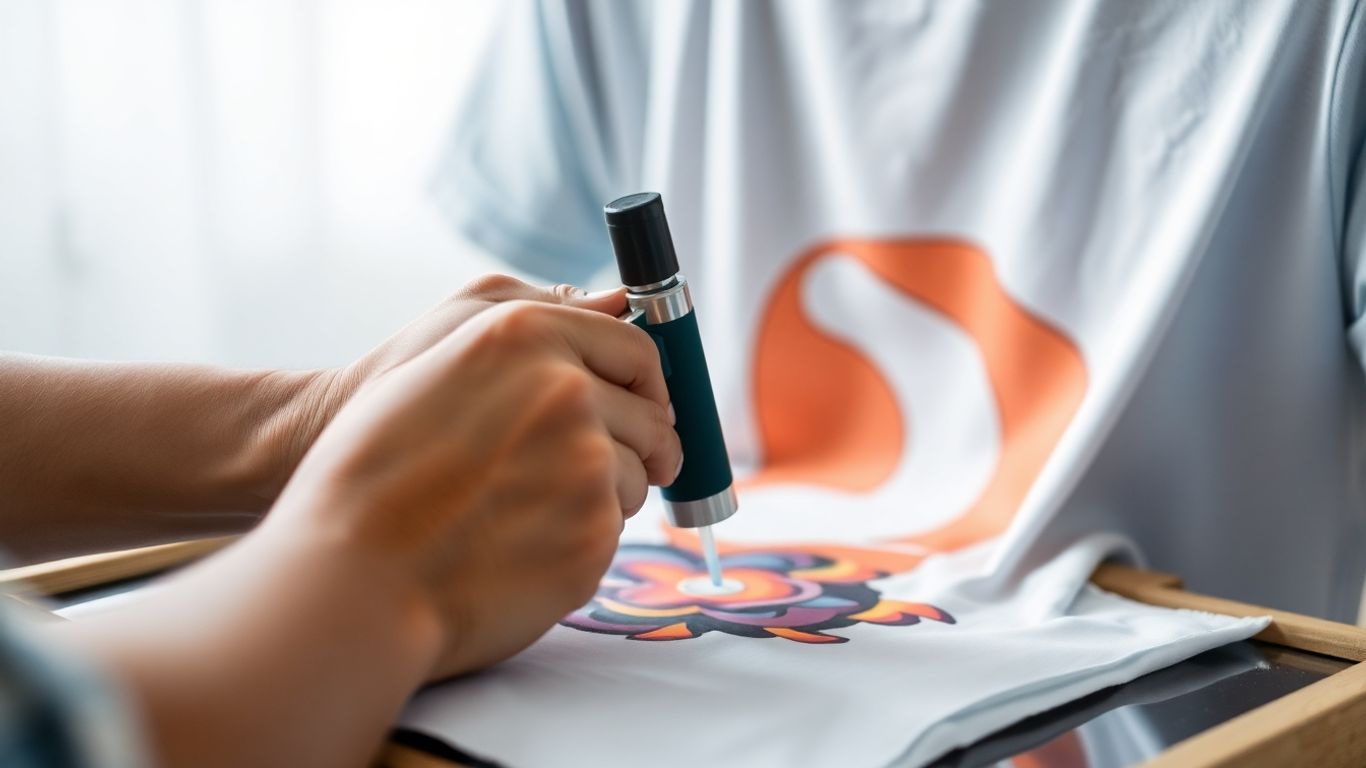
This is where the magic happens, right? Turning your cool ideas into something people actually want to wear. It’s not just about slapping a picture on a shirt; it’s about creating something that speaks to people, something that feels like them . Your designs are the heart of your T-shirt business, so let’s make them count.
Developing Your Brand’s Creative Vision
Before you even think about software or colors, take a step back. What’s your brand all about? Are you quirky and fun, serious and political, or maybe all about nature? Your designs need to match this vibe. Think about who you’re trying to reach. What are their interests? What kind of humor do they get? What messages do they care about?
- Identify your core message: What do you want your T-shirts to say?
- Define your aesthetic: Is it minimalist, retro, bold, or something else?
- Consider your audience’s lifestyle: Where will they wear these shirts?
Your brand’s creative vision is the guiding star for all your designs. It ensures consistency and helps build a recognizable identity that customers can connect with.
Choosing the Right Design Tools and Software
Okay, now for the tools. You don’t need to be a Picasso, but having the right software makes a huge difference. For simple text and graphics, tools like Canva are super easy to use and have tons of templates. If you’re getting more serious and want more control, Adobe Photoshop or Illustrator are industry standards. They have a steeper learning curve, but the possibilities are pretty much endless. Don’t forget about free options like GIMP if you’re on a tight budget.
Here’s a quick look at some options:
| Software | Ease of Use | Features | Cost |
|---|---|---|---|
| Canva | Very Easy | Templates, drag-and-drop, basic tools | Free/Paid |
| GIMP | Moderate | Advanced editing, layers, filters | Free |
| Adobe Photoshop | Difficult | Professional photo editing, complex art | Subscription |
| Adobe Illustrator | Difficult | Vector graphics, logos, illustrations | Subscription |
If design isn’t your strong suit, that’s totally fine! You can always hire a freelance designer. Websites like Fiverr, Upwork, or Dribbble are great places to find artists whose style fits your brand. Just be clear about what you want and check out their past work.
Ensuring Design Quality and Appeal
Once you have a design, you need to make sure it looks good on a shirt . This means thinking about resolution and file types. Low-resolution images will look blurry when printed. Most printing services will need high-resolution files, usually in PNG or AI format. It’s also a good idea to create mockups – basically, digital pictures of your design on a T-shirt. This helps you see how it will actually look and allows you to catch any issues before you print a big batch. You can use online mockup generators for this. Getting feedback from friends or potential customers on your mockups can also be super helpful. What looks good on your screen might not translate perfectly to fabric, so testing and getting opinions is key.
Establishing Your Online T-Shirt Store
Alright, so you’ve got killer designs and a solid understanding of who you’re selling to. Now comes the fun part: actually setting up shop online. This is where your brand comes to life and customers can actually buy your awesome tees. It might sound a bit daunting, but honestly, there are some really user-friendly tools out there these days that make it way easier than you’d think.
Selecting the Ideal E-commerce Platform
Choosing the right place to build your online store is a big deal. You want something that’s easy to use, looks good, and can grow with your business. There are a bunch of options, but some are definitely more suited for T-shirt businesses than others. Think about what features are most important to you – maybe it’s how easy it is to add products, the design options, or the cost.
Here are a few popular choices to consider:
- Shopify: This is a go-to for many online sellers, especially in the apparel world. It’s got tons of features, apps to add functionality, and it’s pretty straightforward to get started. They handle a lot of the technical stuff so you can focus on your designs.
- Etsy: If you’re focusing on unique, artistic designs and want to tap into an existing marketplace of buyers looking for handmade or custom items, Etsy can be a good starting point. It’s less about building your own brand site and more about joining a community.
- WooCommerce (with WordPress): This is a more flexible option if you’re already familiar with WordPress or want more control over every little detail. It’s a plugin that turns your WordPress site into an online store. It can be a bit more technical to set up initially, though.
- Squarespace: Known for its beautiful templates, Squarespace is another solid choice if design is a top priority. It’s an all-in-one platform that’s pretty intuitive.
Setting Up Your Online Shopfront
Once you’ve picked your platform, it’s time to make your store look the part. This is your digital storefront, so you want it to be inviting and reflect your brand’s personality. Most platforms offer templates or themes that you can customize.
- Choose a Theme: Pick a theme that matches your brand’s vibe. If your designs are minimalist, go for a clean, simple theme. If they’re bold and colorful, find something that can handle that energy.
- Branding: Upload your logo, choose your brand colors, and write a compelling ‘About Us’ section. Tell your story! People connect with brands that have a personality.
- Navigation: Make it super easy for people to find what they’re looking for. Clear categories and a search bar are your friends.
- Essential Pages: Don’t forget pages like Contact Us, Shipping Policy, and Returns Policy. Being transparent builds trust.
Optimizing Product Listings and Imagery
This is where you convince people to click ‘Add to Cart’. Your product listings need to be on point.
- High-Quality Photos: This is non-negotiable. Use clear, well-lit photos of your T-shirts. Show them from different angles, maybe even on a model if you can. Mockups are great for showing designs, but real photos often sell better.
- Detailed Descriptions: Don’t just list the size and color. Talk about the fabric, the fit, and what makes the design special. Use keywords that your target audience might search for. For example, instead of just ‘Graphic Tee’, try ‘Vintage Band T-Shirt’ or ‘Funny Cat Lover Shirt’.
- Sizing Chart: Include a clear and accurate sizing chart. This helps reduce returns and makes customers feel more confident in their purchase.
Making your online store look professional and function smoothly is just as important as having great T-shirt designs. A clunky website or bad photos can turn away customers, even if they love your art. Think about the entire customer journey, from the moment they land on your site to when they complete their purchase.
| Feature | Shopify | Etsy | Squarespace |
|---|---|---|---|
| Ease of Use | High | High | High |
| Customization | High | Medium | High |
| Marketplace Access | Low | High | Low |
| Transaction Fees | Varies | Varies | Varies |
| Best For | Standalone | Niche/Art | Design-focused |
| Monthly Cost (Est.) | $30+ | Free + Fees | $25+ |
Navigating T-Shirt Production and Suppliers
Alright, so you’ve got killer designs and a slick online store. Now comes the part where you actually make those shirts and get them to your customers. This can feel like a big hurdle, but it’s totally manageable if you break it down.
Exploring Print-on-Demand Services
This is a super popular way to start, especially if you’re trying to keep initial costs low. With print-on-demand (POD), you partner with a company that prints your designs on shirts only when an order comes in. They also handle the shipping. This means you don’t have to buy a bunch of shirts upfront or worry about storing them. It’s a pretty sweet deal for getting your brand out there without a huge investment. You can find lots of print on demand providers that integrate with e-commerce platforms. It’s a great way to test designs too, because you’re not stuck with a ton of inventory if a particular design doesn’t take off.
Sourcing Quality T-Shirt Blanks
If POD isn’t your jam, or you want more control, you’ll need to find good quality blank t-shirts. Think about what your customers will like. Do they prefer a super soft feel, or something more durable? 100% cotton is a classic for a reason – it’s breathable, comfy, and easy to care for. But there are also blends that offer different benefits, like wrinkle resistance or a bit of stretch. It’s worth ordering samples from a few different suppliers to feel the fabric and check the fit before committing to a larger order. Buying in bulk from wholesalers can definitely save you money per shirt, but make sure you’re getting a product you’re proud to put your name on.
Understanding Printing Techniques and Materials
How your design gets onto the shirt matters. There are a few main ways to go about it:
- Screen Printing: This is old school but still really effective, especially for simpler designs and larger quantities. Ink is pushed through a stencil onto the fabric. It’s durable and cost-effective for bulk orders.
- Direct-to-Garment (DTG) Printing: This is like an inkjet printer for fabric. It’s awesome for detailed, full-color designs and works well for smaller runs. It can be a bit trickier on darker shirts, though.
- Heat Transfer Vinyl (HTV): You cut designs out of vinyl and then heat-press them onto the shirt. This is great for simple graphics and text, and you can get some really cool effects.
- Sublimation: This method dyes the fabric itself, so the design becomes part of the shirt. It’s best for polyester fabrics and results in vibrant, long-lasting prints.
Choosing the right printing method often depends on your design complexity, the fabric type, and the quantity you need. Don’t be afraid to ask potential suppliers about their capabilities and what they recommend for your specific needs. They’ve usually seen it all and can offer solid advice.
When you’re picking a production partner, think about their minimum order quantities (MOQs), turnaround times, and how well they communicate. A reliable supplier is honestly one of the most important pieces of the puzzle for a smooth-running t-shirt business.
Developing a Robust Marketing Strategy
Okay, so you’ve got awesome T-shirt designs and a slick online store. Now what? You gotta get people to actually see your stuff. This is where marketing comes in, and honestly, it’s not as scary as it sounds. Think of it as telling your brand’s story to the right people.
Leveraging Social Media for Brand Building
Social media is your best friend here. It’s not just about posting pictures; it’s about building a community. Instagram and TikTok are great for showing off your designs with cool photos and short videos. Use Reels and Stories to give people a peek behind the scenes – maybe show how a design comes to life or feature happy customers. Don’t forget to use hashtags that people actually search for, like #GraphicTees or #IndieFashion, to get discovered. It’s all about making your brand look good and feel approachable.
- Instagram: Post high-quality photos of your shirts, use Stories for behind-the-scenes looks, and engage with followers through comments and DMs.
- TikTok: Create short, engaging videos showcasing your designs, perhaps using trending sounds or challenges.
- Pinterest: Ideal for visual discovery; create boards featuring your shirts styled in different ways.
- Facebook: Build a page for updates and join relevant groups to connect with potential customers.
Building a brand on social media takes time. Be consistent, interact with your audience, and show off what makes your T-shirts special. It’s about creating a connection, not just making a sale.
Implementing Effective Paid Advertising
Sometimes, you need to give your marketing a little boost. Paid ads can help you reach a wider audience quickly. Platforms like Facebook, Instagram, and Google Ads let you target specific groups of people who are likely to be interested in your designs. You can set a budget and see what works best. Start small, test different ad creatives and targeting options, and see where your money is best spent. It’s a good way to get your brand in front of new eyes.
Here’s a quick look at ad types:
| Platform | Ad Type | Best For |
|---|---|---|
| Facebook/Insta | Image/Video Ads | Visual product showcases, brand awareness |
| Search Ads | Capturing users actively looking for T-shirts | |
| TikTok | Short Video Ads | Reaching younger demographics, trend-based |
Utilizing Email Marketing for Customer Engagement
Don’t sleep on email! Once you get people to your site, encourage them to sign up for your newsletter. This is your direct line to interested customers. You can send out updates about new designs, special offers, or even share stories about your brand. It’s a more personal way to keep people connected and encourage repeat business. Think about offering a small discount for signing up – it’s a win-win.
- Welcome Series: Automatically send a few emails to new subscribers introducing your brand and bestsellers.
- Promotional Emails: Announce sales, new arrivals, or limited-edition drops.
- Content Newsletters: Share blog posts, styling tips, or behind-the-scenes content to keep subscribers engaged.
- Abandoned Cart Reminders: Gently nudge customers who left items in their cart to complete their purchase.
Managing Operations and Customer Relations
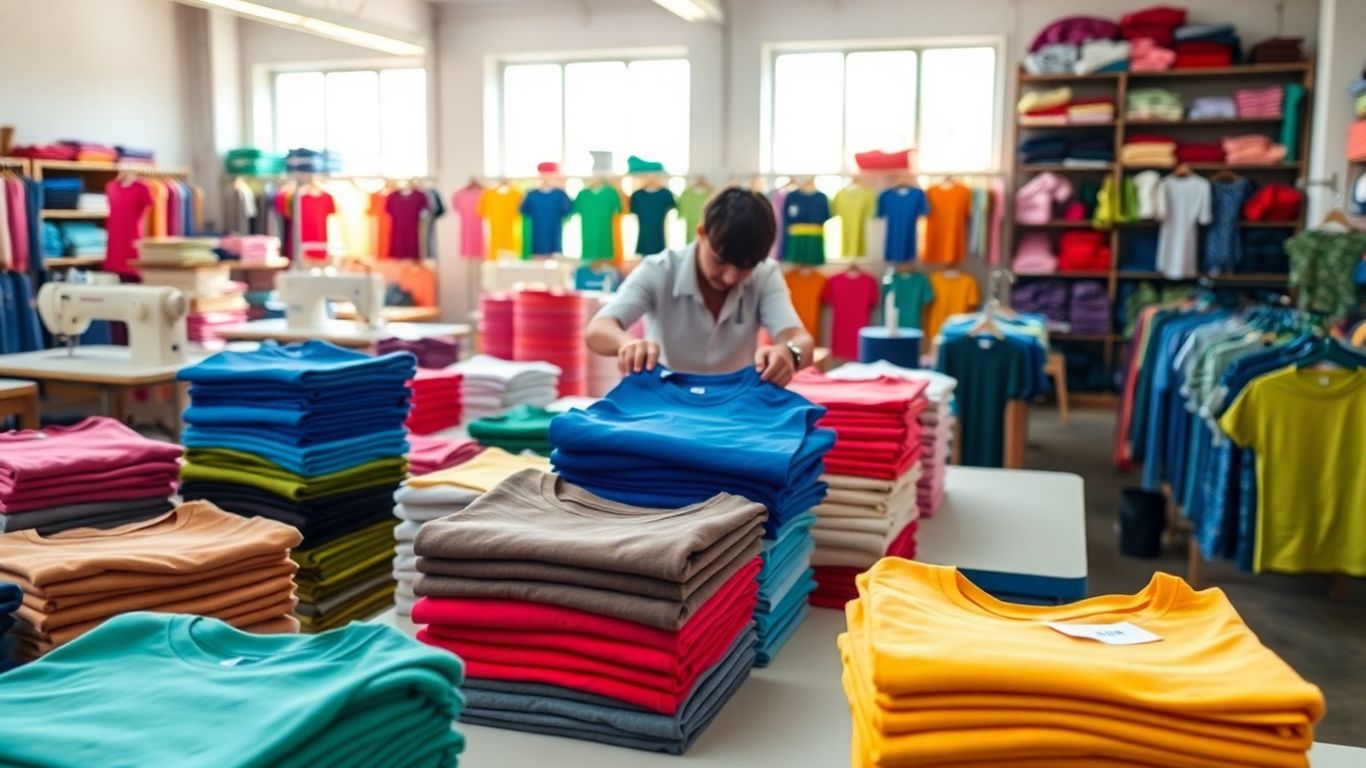
Okay, so you’ve got designs, you’ve got a store, and orders are actually coming in. Awesome! But now comes the part that can make or break your whole T-shirt venture: actually getting those shirts to people and making sure they’re happy. It’s not just about the cool graphics anymore; it’s about the whole experience.
Streamlining Order Fulfillment and Shipping
This is where things can get hectic, especially when you’re starting out. You’ve got to figure out how to get the shirts from your supplier (or your print-on-demand service) to the customer’s doorstep. The goal here is to make this process as smooth and quick as possible.
- DIY vs. Third-Party Fulfillment: When you’re small, handling shipping yourself gives you total control. You pick, you pack, you ship. It’s hands-on and can be cost-effective initially. But as orders pile up, this can eat up a ton of your time. That’s when looking into third-party logistics (3PL) services becomes a smart move. They handle storage, packing, and shipping, often with better rates and faster delivery times, especially as your volume grows. Think of services that integrate directly with your online store for easy order processing.
- Packaging Matters: Don’t just shove a T-shirt in any old envelope. Your packaging is part of your brand. A nice mailer, maybe some tissue paper, a thank-you note – it makes a difference. Consider eco-friendly options too; a lot of customers appreciate that. It doesn’t have to be fancy, but it should protect the shirt and look presentable.
- Shipping Costs and Times: Be upfront about shipping costs. Nobody likes surprises at checkout. Offer a few options if you can, like standard and expedited. Keeping customers informed about their order status with tracking is also a big plus. You can find some great resources on managing shipping costs and delivery times to keep your customers happy.
Providing Excellent Customer Support
When a customer has a question or an issue, how you handle it is super important. Good support builds trust and loyalty. It’s not just about fixing problems; it’s about making the customer feel heard and valued.
- Be Responsive: Answer emails and messages promptly. Even if you don’t have an immediate solution, acknowledging their query goes a long way.
- Handle Returns Gracefully: Have a clear and easy-to-understand return and exchange policy. Making this process hassle-free can turn a potentially negative experience into a positive one. Sometimes, offering free returns can be a good investment.
- Know Your Product: Be knowledgeable about your T-shirts – the material, the fit, the printing method. This helps you answer questions accurately and confidently.
Dealing with customer issues effectively is a chance to show your brand’s true colors. A well-handled complaint can sometimes create a more loyal customer than one who never had a problem at all. It’s about building relationships, not just making sales.
Gathering Feedback for Continuous Improvement
Your customers are your best source of information. What do they love? What could be better? Actively seeking and listening to their feedback is key to growing your business.
- Ask for Reviews: Encourage customers to leave reviews on your website or social media. Positive reviews are great social proof.
- Send Surveys: Periodically send out short surveys to get specific feedback on designs, product quality, or the shopping experience. Tools like Google Forms can help with this.
- Monitor Social Media: Keep an eye on comments and mentions on social media. This is often where you’ll get unfiltered opinions.
- Analyze Returns: Look at why items are returned. Are certain sizes consistently too small? Is a particular design not what people expected? This data is gold for improving your products and descriptions.
Wrapping Up Your T-Shirt Venture
So, you’ve made it through the guide on starting your T-shirt business. It’s not just about slapping a cool design on a shirt and hoping for the best. You’ve learned about finding your specific audience, making designs that people actually want, and setting up your online shop. Remember, building a brand means connecting with your customers, not just selling them something. Keep learning, keep adapting to what’s trending, and don’t be afraid to put yourself out there. This journey takes work, but seeing your own brand grow can be incredibly rewarding. Good luck with your new venture!
Frequently Asked Questions
How much money do I need to start a T-shirt business?
You can actually start a T-shirt business without a lot of cash! Using methods like print-on-demand means you don’t have to buy shirts before you sell them. This cuts down on the money you need to spend upfront. You’ll mainly need to pay for your website and maybe some marketing.
Can I make money selling T-shirts online?
Yes, absolutely! T-shirt businesses can be very profitable. The key is to have cool, unique designs that people want to buy. If you pick a popular theme and market your shirts well, you can definitely make a good profit.
What’s the most important thing to do before selling T-shirts?
Before you start selling, it’s super important to figure out who you want to sell to (your audience) and what makes your T-shirts special (your niche). Also, check out what other T-shirt sellers are doing so you know how to stand out.
Do I need to keep T-shirts in stock?
Not at all! With print-on-demand services, you only pay for a shirt after a customer buys it. The printing company then makes and ships the shirt for you. This means you don’t need to store any shirts yourself, which saves you space and hassle.
How do I make my T-shirt designs look good?
To make great designs, think about what your audience likes. Use design software or apps to create your artwork. Make sure your designs are clear, colorful, and look good on a T-shirt. It’s also smart to get opinions from friends or potential customers.
What’s the best way to tell people about my T-shirt business?
Social media is your best friend! Post pictures of your cool T-shirts on platforms like Instagram and TikTok. You can also run ads to reach more people. Building an email list is also a great way to let customers know about new designs and sales.