
Navigating the Digital Landscape: Effective Social Media Strategies for Luxury Brands
- Date
In today’s world, almost everyone is online, and that includes people who buy fancy things. For luxury brands, this means figuring out how to use social media and the internet to look good and attract customers without seeming too common. It’s a tricky balance, making sure people still feel like they’re getting something special, even when they see it on a screen. This article looks at how these brands can get it right.
Key Takeaways
- Luxury brands need to create content that makes people dream, showing them a lifestyle they want. Think beautiful pictures and stories about success.
- Visual platforms like Instagram and YouTube are perfect for showing off how elegant and well-made luxury items are. It’s like a digital storefront.
- Working with the right influencers can make a luxury brand seem more real and desirable, especially if they partner up for a long time.
- It’s important to track how well social media efforts are doing, not just by likes, but by actual sales and how much customers spend over time.
- The future for social media and luxury brands involves using smart tech like AI for personalized experiences, focusing on sustainability, and maybe even using virtual reality to let people ‘try’ things.
Crafting Aspirational Content for Luxury Audiences
When you’re talking to people who buy luxury goods, you can’t just show them a product. You’ve got to show them a dream. It’s about making them feel something, making them imagine a better version of their life where your brand fits right in. This isn’t about selling; it’s about inviting them into an exclusive world.
Identifying and Personifying Your Ideal Customer
First things first, who are you even talking to? You need to know them inside and out. What makes them tick? What do they consider a win? It’s not enough to say ‘rich people.’ Think about their daily routines, their hidden desires, the subtle signals of success they appreciate. Understanding your audience deeply is the bedrock of creating content that actually connects. Imagine them as a real person, give them a name, a background. This helps you speak their language, not just about products, but about the lifestyle they aspire to. For instance, are they collectors, connoisseurs, or trendsetters? Knowing this changes how you present your brand. It’s about making them feel seen and understood, like you’re offering something made just for them.
Weaving Narratives of Success and Desire
Luxury is built on stories. People don’t just buy a watch; they buy the story of precision, heritage, and achievement that comes with it. Your content should weave tales that align your brand with the very things your audience desires: success, recognition, and unique experiences. Think about how you can show your brand as a part of their journey towards their goals. Maybe it’s a subtle nod to a successful entrepreneur wearing your brand, or a story about the meticulous craftsmanship that mirrors their own dedication to excellence. It’s about creating a narrative where your brand is the reward, the symbol of having arrived. This approach helps your audience envision their best life through your brand, positioning it as the way to achieve such a lifestyle. By making your content a platform where aspirations meet a luxury reality, you draw customers into a world where their desires are within reach, thanks to what you offer. You can explore how other brands build this connection by looking at successful brand stories .
Prioritizing Visual Storytelling and Aesthetics
For luxury, visuals are non-negotiable. It’s the first impression, and it has to be perfect. High-quality images and videos aren’t just nice to have; they’re the language of luxury. Every shot, every color, every detail should scream elegance and sophistication. Think about the mood you want to create – is it serene, dynamic, or opulent? Your visuals should consistently reflect this. This means investing in professional photography and videography that captures the essence of your brand and the desirability of your products. It’s about creating a consistent aesthetic that people recognize instantly and associate with quality and exclusivity. Even the smallest details, like the way a product is styled or the background chosen, contribute to the overall aspirational message.
Ensuring Cohesion Across All Brand Touchpoints
Your social media shouldn’t be a standalone entity. It needs to feel like part of a bigger, unified brand experience. Whether someone sees your post on Instagram, visits your website, or receives an email, the message, the tone, and the visual style must be the same. This consistency builds trust and reinforces the luxury image. If your Instagram feed is all sleek minimalism, your website shouldn’t suddenly be cluttered and loud. Every interaction a customer has with your brand, online or offline, should feel like it belongs to the same exclusive club. This unified front makes the brand feel more substantial and reliable, which is exactly what luxury consumers expect. It’s about creating a seamless experience that makes the customer feel like they’re always interacting with the same high-end, polished brand.
Leveraging Visual Platforms for Brand Elegance
When it comes to luxury, what you see really matters. Visual platforms are where high-end brands can really shine, creating that feeling of desire and exclusivity. Think of these sites as your most elegant digital storefronts, where every image and video is carefully chosen to reflect the quality and lifestyle your brand represents.
Showcasing Affluence on Instagram and Pinterest
Instagram is practically built for luxury. It’s the perfect place to build a feed that just looks expensive and aspirational. You can share stunning product shots, behind-the-scenes glimpses of craftsmanship, or even lifestyle content that hints at the life your customers aspire to. Use Stories and Reels for more dynamic content, like quick tours of a new collection or interviews with designers. Pinterest works similarly, but it’s more about inspiration. Create boards that showcase dream lifestyles, travel destinations, or interior design ideas, subtly weaving in your products as the perfect finishing touches. It’s about letting people pin their dreams, with your brand right there in the middle of it.
- Curate a consistent aesthetic: Use a specific color palette and filter to make your feed instantly recognizable.
- Highlight craftsmanship: Show close-ups of intricate details, high-quality materials, and the skill involved in making your products.
- Tell a story with each post: Don’t just show a product; show the experience or emotion associated with it.
Utilizing YouTube for In-Depth Product Narratives
YouTube offers a deeper dive. This is where you can really tell your brand’s story. Think beautifully produced videos that explore the heritage of your brand, the meticulous process of creating a single item, or even mini-documentaries about the artisans behind your collections. It’s a chance to go beyond a quick glance and really connect with an audience that appreciates detail and substance. A well-made video can communicate luxury in a way that static images sometimes can’t.
High-quality video content on YouTube allows luxury brands to demonstrate the tangible value and artistry behind their products, building a stronger emotional connection with potential buyers.
Creating a Sophisticated Digital Showroom Experience
Your website is the ultimate digital showroom. It needs to feel as luxurious and inviting as a physical boutique. This means impeccable design, intuitive navigation, and content that consistently reflects your brand’s elegance. High-resolution imagery, detailed product descriptions that speak to quality and origin, and perhaps even virtual try-on features can all contribute to a sophisticated online experience. The goal is to make browsing and purchasing feel like an exclusive event, not just a transaction.
Building Brand Desirability Through Influencer Partnerships
Working with influencers can really make a luxury brand shine, but you can’t just pick anyone. It’s about finding people whose lives and followers match what your brand is all about. Think of it like finding the perfect accessory for an outfit – it has to just fit . Authentic alignment is the name of the game here.
Selecting Influencers for Authentic Brand Alignment
When you’re looking for influencers, don’t just go for the biggest follower counts. That’s a common mistake. Instead, look for individuals who genuinely seem to live a life that your brand represents. Do they appreciate fine craftsmanship? Do they travel to places that feel exclusive? Their audience should also be people who are interested in that kind of lifestyle. It’s about quality over quantity, always.
Here’s what to look for:
- Audience Demographics: Do their followers match your ideal customer profile in terms of age, location, interests, and spending habits?
- Content Style: Does their visual aesthetic and tone of voice complement your brand’s image? Is it sophisticated and aspirational?
- Engagement Quality: Are their followers actively commenting and interacting in a meaningful way, or is it just a lot of generic "great post" comments?
- Brand Values: Do they seem to align with your brand’s core values, like sustainability or ethical practices, if those are important to you?
It’s easy to get caught up in the numbers, but a smaller influencer with a highly engaged, relevant audience can be far more effective than a mega-influencer whose followers aren’t a good fit. The goal is to create a connection, not just an impression.
Cultivating Exclusive Collaborations and Long-Term Relationships
One-off posts are okay, but they don’t build much lasting desire. For luxury brands, it’s much better to build real relationships with influencers. This could mean inviting them to exclusive events, giving them early access to new collections, or even co-creating limited-edition items. These kinds of partnerships make the influencer feel like a true part of the brand, and that authenticity shines through to their followers. It makes the brand feel more accessible, yet still exclusive.
Think about:
- Event Invitations: Hosting influencers at private collection previews or brand anniversaries.
- Product Seeding: Gifting new or limited-edition items for them to experience and share organically.
- Content Co-Creation: Working together on a specific campaign or a series of posts that highlight a particular product or theme.
- Brand Ambassador Programs: Establishing longer-term roles where influencers regularly represent the brand.
Measuring the Impact of Influencer Endorsements
So, you’ve partnered with some influencers. Now what? You need to see if it’s actually working. This isn’t just about likes; it’s about real business results. Track things like website traffic coming from their links, how many people use their unique discount codes (if you offer them), and what kind of conversations are happening in the comments. It helps you figure out which partnerships are paying off and which ones might need a tweak.
Measuring the Impact of Social Media and Luxury Brands
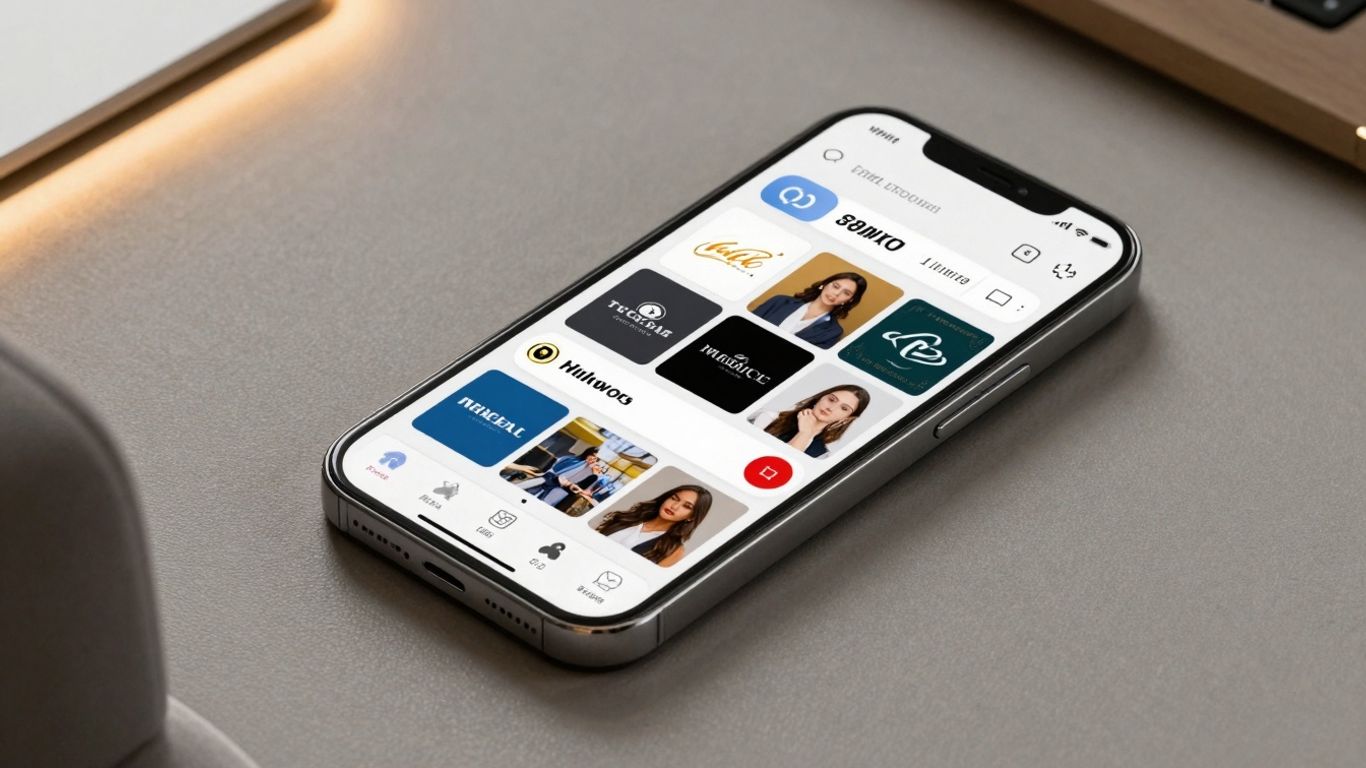
So, you’ve put all this effort into crafting beautiful content and building a presence online. That’s great, but how do you actually know if it’s working? It’s not enough to just post pretty pictures; you need to see what’s happening behind the scenes. Understanding your social media’s performance is key to refining your strategy and making sure your luxury brand stays ahead.
Tracking Conversion Rates and Click-Through Success
When people see your posts, what do they do next? That’s where conversion rates and click-through rates (CTR) come in. A conversion is when someone takes a specific action you want them to, like signing up for a newsletter or, ideally, making a purchase. CTR, on the other hand, measures how many people click on a link in your post or ad compared to how many people saw it. For luxury brands, a high CTR on an ad for a new handbag might mean the visuals and copy are really hitting the mark. We want to see those clicks turning into actual interest and, eventually, sales. It’s about turning passive viewers into active prospects. You can track this through your social media analytics or website tools. For example, if you’re running a campaign for a new watch, you’d want to see how many people click through to the product page and then, how many of those actually add it to their cart. This gives you a clear picture of how compelling your social media marketing is.
Analyzing Engagement Metrics for Audience Connection
Beyond just clicks, how are people interacting with your content? Likes are nice, but comments and shares tell a deeper story. High engagement rates – meaning a good number of likes, comments, and shares relative to your follower count – suggest your audience is genuinely interested and connecting with your brand’s message. Are people asking questions about the craftsmanship? Are they tagging friends who would love a particular piece? This kind of interaction is gold. It shows you’re not just broadcasting; you’re building a community. It’s important to look at the quality of engagement too. Are the comments thoughtful, or just generic emojis? For luxury, you want to see conversations that reflect an appreciation for the brand’s heritage and quality.
Evaluating Return on Investment and Customer Lifetime Value
Ultimately, marketing needs to make financial sense. Return on Investment (ROI) is the big one here. It’s about comparing the money you spend on social media efforts to the revenue you generate from those efforts. Did that expensive influencer campaign actually pay for itself and then some? You also need to think about the long game: Customer Lifetime Value (CLTV). For luxury brands, a customer might not buy frequently, but when they do, it’s a significant purchase. A high CLTV means you’re building loyalty and repeat business from high-value clients. This metric helps you understand the true worth of acquiring and retaining a customer, guiding your investment in building lasting relationships.
Measuring success in the luxury digital space isn’t just about vanity metrics. It’s about understanding the tangible impact on your business, from initial interest to long-term customer loyalty. Without this data, you’re essentially flying blind, hoping your beautiful content is also effective.
Here’s a look at how some key metrics stack up:
| Metric | What it Measures | Why it Matters for Luxury Brands |
|---|---|---|
| Conversion Rate | Desired actions completed (e.g., purchases) | Directly shows how well your online presence drives sales. |
| Click-Through Rate (CTR) | Percentage of viewers who click a link | Indicates the appeal of your content and calls to action. |
| Engagement Rate | Likes, comments, shares relative to followers | Shows audience interest and connection with your brand’s story. |
| Return on Investment (ROI) | Profit generated versus marketing spend | Proves the financial effectiveness of your social media campaigns. |
| Customer Lifetime Value (CLTV) | Total revenue from a single customer over time | Highlights the importance of loyalty and repeat high-value business. |
Emerging Trends Shaping Luxury Digital Marketing
The digital world keeps changing, and luxury brands need to keep up. It’s not just about having a nice website anymore; it’s about how you connect with people online in ways that feel special and exclusive. Think about it, most people’s first look at a brand happens on a screen. For luxury, that means showing off quality and heritage without making it feel common.
The Rise of Data Science and Personalization
Brands are getting smarter with data. They’re using it to figure out what you like before you even know it yourself. This means more personalized emails, ads that actually seem to get you, and website experiences that feel made just for you. It’s like having a personal shopper, but online.
Prioritizing Experiential Marketing Over Products
People don’t just want to buy a fancy watch; they want the story behind it, the feeling of owning something special. Luxury brands are focusing more on creating experiences. This could be an exclusive event, a unique online journey, or even just content that tells a compelling story about craftsmanship and heritage. It’s about selling a dream, not just an item.
Integrating Physical and Digital Customer Journeys
What happens online should connect with what happens in the store, and vice versa. Imagine browsing a handbag online, then getting a personalized message to try it on in-store, or using an app in the store to get more product details. This blend, sometimes called ‘phygital,’ makes shopping feel smooth and connected.
Optimizing for Voice Search and Content with Purpose
With more people using smart speakers and voice assistants, brands need to make sure they can be found when someone asks, "What’s the best cashmere sweater?" This means thinking about how people naturally ask questions and creating content that answers them directly. Also, content is shifting. It’s not just about showing off; it’s about sharing the brand’s story, its commitment to sustainability , and the skill that goes into making its products. People want to connect with brands that have values.
The Future of Digital Engagement for High-End Brands

So, what’s next for luxury brands trying to connect with people online? It feels like things are always changing, right? It’s not just about showing off fancy products anymore. Brands are really starting to think about what matters to their customers beyond just the price tag.
Embracing Sustainability and Ethical Luxury Practices
People are paying more attention to where things come from and how they’re made. For luxury brands, this means being upfront about their materials, how workers are treated, and their impact on the planet. It’s about building trust and showing that a brand cares about more than just profit. Think about brands that use recycled materials in their designs or support fair labor practices – that kind of thing really speaks to today’s shopper.
Harnessing Artificial Intelligence for Tailored Experiences
Remember when personalization felt like just using someone’s first name in an email? AI is taking that to a whole new level. It can look at what you like, what you’ve bought before, and even what you’ve browsed, then suggest things you might actually want. It’s like having a personal shopper who really gets you, but it’s all done by smart computer programs. This makes the whole shopping experience feel more special and less like a generic sales pitch.
Exploring Augmented Reality for Enhanced Shopping
This one’s pretty cool. Augmented reality, or AR, lets you see how something might look before you buy it. Imagine trying on a designer watch or seeing how a piece of furniture would fit in your living room, all through your phone. It cuts down on the guesswork and makes online shopping feel more real and interactive. It’s a way to bridge the gap between browsing online and actually experiencing a product.
Focusing on Niche Markets and Direct-to-Consumer Models
Instead of trying to be everything to everyone, some luxury brands are getting really good at serving specific groups of people. They’re also selling more directly to customers, cutting out the middleman. This allows them to have more control over their brand message and build closer relationships with their buyers. It creates a sense of exclusivity and community, which is a big deal in the luxury world.
The digital space for luxury is becoming less about broad strokes and more about fine details. It’s about creating genuine connections and offering experiences that feel both exclusive and meaningful. Brands that can master this balance will likely see the most success.
Here’s a quick look at how these trends might play out:
- Sustainability: Brands highlighting eco-friendly materials and ethical production.
- AI Personalization: Customized recommendations and shopping journeys.
- AR Try-Ons: Virtual product experiences for better decision-making.
- DTC Focus: Building direct relationships and exclusive communities.
Wrapping It Up
So, we’ve talked a lot about how luxury brands can do better online. It’s not just about looking pretty, though that’s a big part of it. You really need to think about who you’re talking to and what they care about. Using cool pictures and videos is a must, obviously. But it’s also about telling a story that makes sense for your brand and your customers. Keep an eye on what’s new, like how people are using voice search or wanting to know if your stuff is made ethically. And don’t forget to check if what you’re doing is actually working by looking at the numbers. It’s a lot to keep track of, but getting it right means your brand stays special in a crowded online world.
Frequently Asked Questions
What makes social media for fancy brands different from regular ones?
For luxury brands, social media is all about making things look special and exclusive. They focus on reaching fewer people but making sure those people feel important. Instead of just selling stuff, they tell stories that make you dream and feel connected to the brand’s fancy world. It’s like showing off a beautiful painting instead of just a product label.
How can brands find and connect with rich people online?
Brands use special tools to learn about what rich people like and then send them messages that feel personal. They also team up with famous people who live a fancy life and show up on websites and apps that rich people already use. Creating amazing pictures and videos that show off a great lifestyle also helps a lot.
Why is showing pretty pictures so important for luxury brands online?
Because luxury is often about how things look and feel. Beautiful photos and videos make people imagine themselves having these nice things and living a great life. Platforms like Instagram and Pinterest are perfect for this because they are all about visuals. It’s like having a fancy window display for everyone to see online.
What’s the best way to work with famous people (influencers) for luxury brands?
The key is to pick influencers who already live a life that matches the brand’s style and whose followers are the kind of people the brand wants to reach. It’s better to build a long-term friendship with them, maybe even creating special products together. This makes the partnership feel real and exciting, not just like a quick ad.
How do luxury brands know if their social media efforts are working?
They look at how many people click on their links, how many people like and comment on their posts, and if all this attention is leading to sales. They also think about how much money they spent compared to how much they earned back. It’s like checking if the fancy decorations are actually bringing in customers.
What new things are becoming popular in luxury online marketing?
Brands are using smart computer programs to guess what customers want before they even know it themselves. They are also creating cool experiences, like special events or virtual try-ons using phones, instead of just selling products. Plus, being good to the planet and making things ethically is becoming super important for fancy brands.