
Mastering Marketplace Merchandising: Strategies for Online Success
- Date
Getting your products seen and bought online is a whole thing, right? It’s not just about listing them and hoping for the best. You’ve got to think about how they look, how people find them, and what makes them choose yours over someone else’s. This is where marketplace merchandising comes in. It’s all about making your products shine in the crowded online space so customers actually want to click ‘buy’. We’ll go over some ways to make that happen.
Key Takeaways
- Figure out what you want to achieve with your product displays and who you’re trying to reach. Knowing your goals and audience is the first step in any good marketplace merchandising plan.
- Make your product listings pop with good photos and clear info. How you show your products is a big deal for getting people to buy.
- Build trust with customers by showing off good reviews and making it easy for them to find what they need. A happy customer is a returning customer.
- Think about special times, like holidays, or what’s popular right now when you plan your product displays. This helps you stay relevant.
- Use tools and testing to see what works best for your products and customers. What works today might need a tweak tomorrow.
Foundational Elements Of Marketplace Merchandising
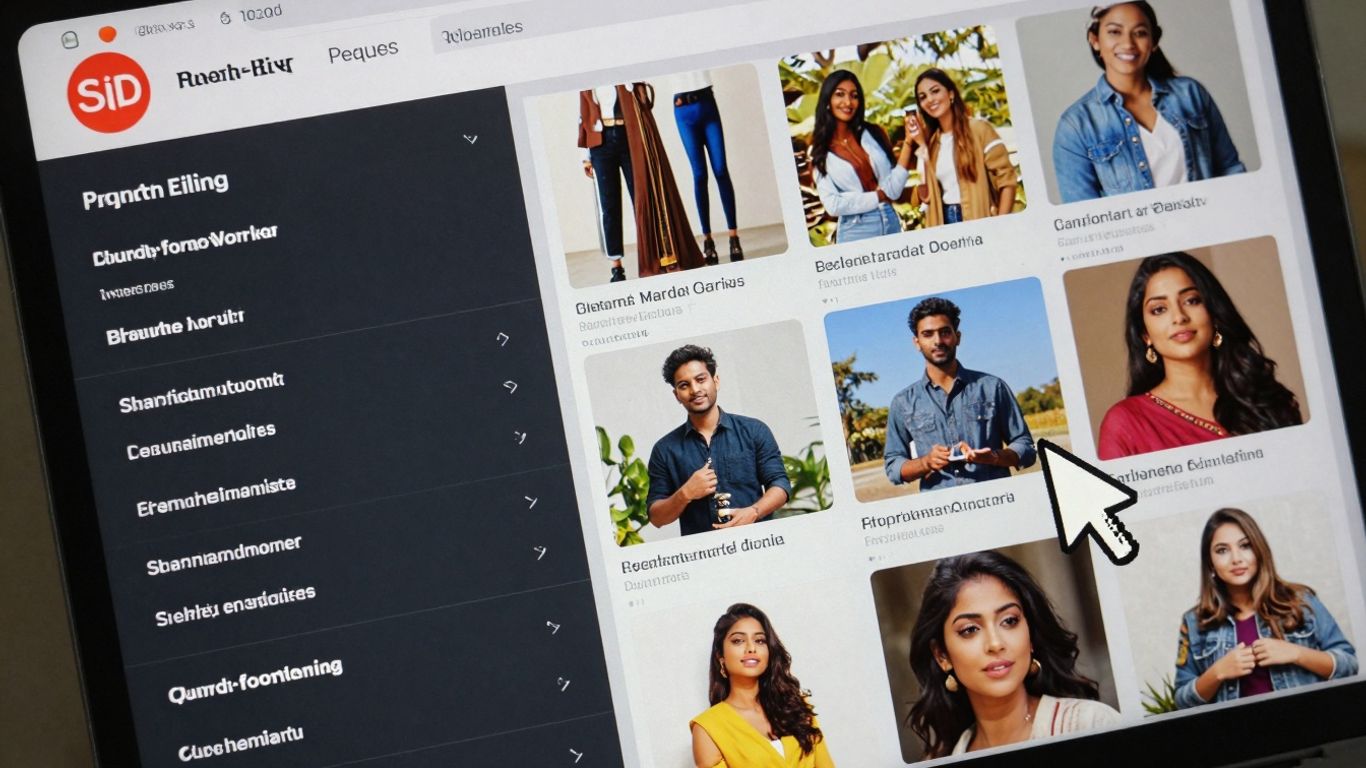
Defining Your Merchandising Objectives
Before you even think about product placement or descriptions, you need to know what you’re trying to achieve. Are you looking to boost overall sales, move old inventory, introduce a new product line, or maybe just increase your brand’s visibility on a specific platform? Setting clear goals helps shape every other decision you make. Without objectives, your merchandising efforts can feel a bit like throwing spaghetti at the wall to see what sticks. It’s better to have a plan, right?
Here are some common objectives:
- Increase average order value (AOV)
- Improve conversion rates
- Reduce cart abandonment
- Boost sales of specific product categories
- Enhance customer loyalty
Understanding Your Target Audience
Who are you actually trying to sell to? This isn’t just about demographics like age and location, though that’s part of it. Think about their shopping habits, what problems they’re trying to solve with your products, what kind of language they use, and what influences their buying decisions. If you’re selling high-end tech gadgets, your audience is probably different from someone selling handmade pet accessories. Knowing your customer inside and out is key to presenting products in a way that makes them want to click ‘buy’.
Consider these points:
- What are their pain points?
- What are their aspirations?
- Where do they typically shop online?
- What kind of content do they engage with?
The Core Of Strategic Product Presentation
This is where the rubber meets the road. It’s about how you actually show your products to the world on the marketplace. Think beyond just uploading a picture. It involves everything from the quality of your images and videos to the details in your descriptions and how you group related items. The goal is to make your product stand out, look appealing, and give the customer all the information they need without overwhelming them. It’s about creating a shopping experience that feels easy and exciting.
Good product presentation isn’t just about making things look pretty; it’s about making them sell. It’s a blend of art and science, where visual appeal meets practical information to guide a customer towards a purchase decision. Every element, from the thumbnail image to the final bullet point, plays a role in building confidence and desire.
Optimizing Product Presentation For Conversion
Getting your products in front of the right eyes is one thing, but making them look good enough to buy is another. This section is all about making your product pages work harder for you, turning browsers into buyers. It’s not just about having great products; it’s about how you show them off.
Crafting Compelling Product Data
Think of your product data as the first handshake. If it’s sloppy, people might just walk away. We’re talking about titles, descriptions, and all those little details that help customers decide. Making sure every piece of information is accurate, keyword-rich, and easy to understand is super important. It helps customers find what they’re looking for and builds trust right from the start. High-quality product data is the cornerstone of marketplace success, enhancing visibility and driving conversions. Different marketplaces have their own quirks, too, so you’ll need to pay attention to specific requirements, like image sizes and formats, to avoid issues.
Here’s a quick rundown of what makes product data shine:
- Titles: Make them clear, include key features, and use words people actually search for. Put important stuff right after the product name.
- Descriptions: Go beyond just listing features. Tell a story, explain the benefits, and answer potential questions. Use keywords naturally.
- Attributes: Fill out every relevant field. This helps with filtering and search accuracy.
- Keywords: Research what terms your customers use. Tools like Amazon’s Keyword Tool can help you find these.
Leveraging Visual Storytelling
People buy with their eyes, right? Images and videos are your silent salespeople. They need to be top-notch. Think about showing your product from different angles, in use, and highlighting key details. Good visuals can really make a difference in how quickly someone decides to add something to their cart. It’s about creating a connection and letting the customer imagine themselves using the product. Remember, marketplaces often have specific image rules, so get those right from the beginning for the best performance. Branded templates can help keep things looking consistent across all your listings.
Implementing Cross-Selling And Upselling Tactics
Once a customer is interested, why not show them something else they might like? Cross-selling is suggesting related items (like batteries for a toy), while upselling is offering a slightly better or more expensive version of what they’re already looking at. This is a smart way to increase the average order value. You can do this by suggesting complementary products on category pages or product detail pages. It makes the shopping experience feel more helpful and less pushy when done right. It’s a win-win: customers find more of what they need, and you boost sales. For example, if someone is buying a camera, you might suggest a memory card or a camera bag. This kind of thoughtful suggestion can really improve the shopping experience .
Balancing personalization with efficiency is key in today’s market. Using customer behavior data to tailor what people see dynamically can make a big impact. It’s about making each shopper feel like you’ve picked out just the right things for them, without making your team work overtime.
Enhancing Customer Trust And Experience
Building trust with shoppers is a big deal online. It’s not just about having good products; it’s about making people feel good about buying from you. When customers trust you, they’re more likely to come back and tell their friends. Let’s look at a few ways to make that happen.
Harnessing The Power Of Social Proof
People tend to look at what others are doing before they make a decision, right? That’s social proof. On your marketplace listings, this means showing off reviews, ratings, and testimonials. Think about it: if you’re looking at two similar items, and one has a bunch of five-star reviews and the other has none, which one are you more likely to pick? It’s usually the one with the good feedback.
- Display star ratings prominently. Make them easy to see right next to the product title.
- Showcase customer reviews. Don’t hide the less-than-perfect ones; a few honest, constructive reviews can actually build more trust than a perfect score.
- Highlight user-generated content. If customers share photos or videos of your product in use, ask if you can feature them. This looks really authentic.
- Use trust badges. Things like secure payment icons or guarantees can also make shoppers feel more secure.
Customers want to see that other people have had positive experiences. It reduces their perceived risk and makes them feel more confident in their purchase decision. It’s like getting a recommendation from a friend, but on a larger scale.
Streamlining Search And Navigation
Nobody likes getting lost. If a customer can’t find what they’re looking for quickly, they’ll probably just leave. Making your site easy to get around is super important.
- Organize products logically. Use clear categories and subcategories that make sense to your customers.
- Implement effective search filters. Let shoppers narrow down results by size, color, price, brand, or whatever makes sense for your products.
- Optimize your search bar. Make sure it suggests terms as people type and handles typos gracefully. A smart search can make a huge difference.
Personalizing The Shopping Journey
People like to feel like things are made just for them. Personalization can make a big difference in how a customer feels about their shopping experience. It’s not about being creepy; it’s about being helpful.
- Show related products. Based on what someone is looking at, suggest other items they might like. This can be done through "Customers also bought" sections or similar ideas.
- Tailor recommendations. If you know a customer frequently buys a certain brand or type of item, show them new arrivals in that area first.
- Use past behavior. If a customer often browses a particular category, make sure that category is easy to find or even featured on their homepage.
| Personalization Tactic | Impact on Trust/Experience |
|---|---|
| Product Recommendations | Increases relevance, reduces browsing time |
| Customized Emails | Makes customer feel valued, encourages repeat visits |
| Dynamic Content Display | Adapts to user needs, improves engagement |
By focusing on these areas, you create an environment where customers feel safe, understood, and well-cared for. That’s the recipe for repeat business and positive word-of-mouth.
Strategic Marketplace Merchandising Approaches
Beyond the basics of product presentation, there are specific strategies you can employ to really make your marketplace presence shine. It’s not just about having products listed; it’s about how you present them and when. Thinking about different approaches can help you connect with customers in more meaningful ways and drive sales.
Seasonal And Trend-Based Merchandising
This is all about timing. You want to highlight products that are relevant now . Think about holidays, seasons, or even current events that might influence what people are looking to buy. For example, during the summer, you’d want to push outdoor gear and swimwear, while in winter, cozy home goods and winter sports equipment would take center stage. Capitalizing on these timely opportunities can significantly boost sales.
- Identify Key Dates: Mark down major holidays, seasonal changes, and even popular cultural events relevant to your products.
- Monitor Trends: Keep an eye on social media, fashion blogs, and industry news to spot emerging trends.
- Curate Collections: Create themed collections around these seasons or trends. This makes it easier for customers to find what they’re looking for.
- Promote Actively: Use banners, email campaigns, and social media posts to draw attention to your seasonal offerings.
Sub-Industry Specific Merchandising
Not all products are the same, and neither are all customers. Different types of products require different ways of being presented. For instance, if you’re selling electronics, you’ll need to think about technical specs and compatibility. If it’s fashion, then size, fit, and current styles are paramount. For groceries, dietary needs and recipe ideas might be more important. Tailoring your approach to the specific product category is key.
Consider these examples:
- Apparel: Focus on size charts, fit guides, and styling suggestions. High-quality images showing the garment from multiple angles are a must.
- Electronics: Provide detailed specifications, compatibility information, and clear comparisons between models. Customer reviews highlighting performance are very helpful.
- Home Goods: Emphasize lifestyle imagery, room settings, and how products fit into different decor styles. User-generated content showing products in real homes can be very persuasive.
Understanding the unique challenges and customer expectations within each sub-industry allows for a more targeted and effective merchandising strategy. It moves beyond generic product listings to create a shopping experience that truly speaks to the specific needs of the buyer.
Integrating Online And Offline Experiences
If you have both a physical store and an online presence, these two worlds should work together. Customers often research online before visiting a store, or vice versa. Your online merchandising should reflect what’s available in-store, and vice versa. Think about making it easy for customers to check local inventory online or to see if a product they saw online is available for pickup at a nearby location. This creates a smoother journey for the customer, no matter how they choose to shop. This integration is a big part of the future of ecommerce merchandising .
- Inventory Visibility: Show real-time stock levels for both online and physical stores.
- Location-Based Promotions: Tailor offers based on a customer’s proximity to a store.
- Omnichannel Fulfillment: Clearly promote options like Buy Online, Pickup In-Store (BOPIS) and curbside pickup.
Leveraging Technology In Marketplace Merchandising
Technology is changing how we do online selling, and it’s not just about having a slick website anymore. We’re talking about tools that can really make a difference in how products are seen and bought. Think about AI, for instance. It’s not some far-off future thing; North American retailers are already using it a lot, especially in marketing and digital commerce. It helps sort through tons of data to figure out what customers want and how to show them products in the best light. This means less guesswork and more smart decisions.
AI-Powered Merchandising Solutions
AI is a game-changer for merchandisers. It can handle a lot of the repetitive tasks, like organizing product catalogs or suggesting related items. This frees up people to focus on the more creative and strategic parts of the job. For example, AI can analyze customer behavior in real-time to personalize product recommendations, making shoppers feel like the site knows exactly what they’re looking for. It’s like having a super-smart assistant that never sleeps. This kind of automation can really speed things up, especially during busy sales periods.
Essential Merchandising Tools
Beyond AI, there’s a whole suite of tools that help make online stores better. Product Information Management (PIM) systems keep all your product details consistent and accurate across different platforms. Digital Asset Management (DAM) helps organize all your images and videos. And then there are testing and analytics tools that show you what’s working and what’s not. You can use these to see how different product placements or descriptions affect sales. It’s about having the right tech to support your strategy, not just guessing what might work.
- Product Information Management (PIM): Centralizes product data for consistency.
- Digital Asset Management (DAM): Organizes images, videos, and other media.
- A/B Testing Software: Compares different versions of pages or elements.
- Analytics Platforms: Tracks customer behavior and sales performance.
The goal is to use technology not just for the sake of it, but to genuinely improve the customer’s shopping experience and make your own work more efficient. It’s about finding the right balance between what machines can do and what human insight brings to the table.
The Future of eCommerce Merchandising
Looking ahead, things are only going to get more interesting. We’re seeing more advanced uses of AI, like predictive analytics that can anticipate trends before they even happen. Augmented reality (AR) might let customers "try on" clothes or see how furniture looks in their homes before buying. Voice commerce is also growing, meaning people will be able to shop using just their voice. These technologies aren’t just novelties; they’re becoming key ways to connect with customers and offer them unique shopping experiences. Staying on top of these advancements in ecommerce is key to staying competitive.
Continuous Improvement Through Testing
Look, nobody gets it perfect the first time, right? That’s why we keep tweaking and trying new things. It’s all about making sure what we’re doing actually works for the people buying stuff. We can’t just set it and forget it. We gotta keep an eye on things and make smart changes.
The Importance Of A/B Testing
So, what’s the deal with A/B testing? Basically, you show two different versions of something – maybe a product image or a button color – to different groups of shoppers. Then you see which one gets more people to click or buy. It’s a straightforward way to figure out what actually makes a difference. This helps us make sure our merchandising choices are based on real shopper behavior, not just guesses. It’s not just about seeing if people click, though. We need to look at the whole picture, like if a change helps people buy more over time, not just right away. Sometimes a small tweak might not seem like much, but it can add up to big wins later on. We can test all sorts of things, from how products are ranked to how we show special badges on items. It’s a solid way to validate our decisions and avoid wasting time on things that don’t move the needle. For more on this, you can check out how A/B testing helps optimize landing pages.
Data Analysis For Optimization
Once we have the results from our tests, we can’t just let them sit there. We need to dig into the numbers. What are they telling us? Did version A really do better than version B? By how much? We also need to think about different groups of shoppers. What works for one might not work for another. So, looking at customer segment data is key. It helps us understand who we’re talking to and what they respond to. It’s like having a conversation with our customers, but through data. We can see patterns in how people search, too. If lots of people search for something and get zero results, that’s a clear sign we need to fix our product discovery. Or if they keep changing their search terms, maybe our categories aren’t set up right. It’s all about using that information to make things better.
Ongoing Strategy Refinement
This whole process isn’t a one-and-done deal. It’s more like a cycle. We test, we analyze, we make changes, and then we test again. We also need to think about how our merchandising fits with what marketing is doing. If we’re running a big sale, our product pages should reflect that. We also need to look at our tools. Are they helping us, or are they making things harder? Sometimes, we might not be able to get the fanciest new software right away. That’s okay. We can often make better use of what we already have by figuring out smarter ways to use it or by connecting different tools. The main thing is to keep looking for ways to improve, even if it’s just small steps. We need to be smart about what we change and why, always keeping our main goals in mind. It’s about making sure our online store is always getting a little bit better for the shoppers.
Continuous improvement means we’re always learning and adapting. It’s not about being perfect from the start, but about being committed to getting better over time based on what our customers tell us and how they behave.
Wrapping It Up: Your Merchandising Game Plan
So, we’ve talked a lot about making your online store look good and work well for shoppers. It’s not just about throwing products up and hoping for the best. Think of it like setting up a really inviting shop, but online. You need to know what people want, show them the cool stuff first, and make it easy for them to find and buy it. Using reviews, keeping up with what’s popular, and always tweaking things based on what the numbers say are all part of the deal. The online shopping world keeps changing, with new tech popping up all the time, so staying on top of it means your store stays fresh and keeps customers coming back. It’s a mix of being creative, smart with data, and ready to try new things. Get your merchandising right, and you’re setting yourself up for real success online.
Frequently Asked Questions
What exactly is marketplace merchandising?
Marketplace merchandising is like being a super-smart store decorator, but for online shops. It’s all about arranging products in the best way possible to catch shoppers’ eyes, make them happy, and encourage them to buy. Think of it as making your online store look its absolute best so people want to explore and shop.
Why is showing off products well so important online?
Online, customers can’t touch or see products in person. So, how you show them – with great pictures, clear details, and helpful info – makes a huge difference. Good presentation helps people trust you and makes them more likely to click ‘buy’ instead of clicking away.
How can I make my product pages more appealing?
You can make product pages awesome by using really good photos and videos that show the product from all angles. Also, write clear and exciting descriptions that tell people why they need it. Don’t forget to include customer reviews, as people trust what other shoppers say!
What does ‘social proof’ mean for online shopping?
Social proof is like getting a thumbs-up from other customers. It includes things like customer reviews, star ratings, and testimonials. When people see that others have bought and liked your products, they feel more confident about buying them too.
How can I help customers find what they’re looking for faster?
Make it super easy for shoppers to find things! Use clear categories, helpful search bars, and filters that let them narrow down their choices. If it’s simple to find products, customers are less likely to get frustrated and leave.
What’s the point of testing different ways to show products?
Testing is like trying out different outfits to see which one looks best. For online stores, it means trying different ways to show products (like changing pictures or descriptions) to see which ones get more people to buy. This helps you learn what works best and make more sales over time.