
Your Ultimate Guide: How to Start Your Own T-Shirt Company in 2026
- Date
Thinking about starting your own t-shirt company in 2026? It’s a solid idea. People love expressing themselves with cool shirts, and the market is definitely there. You don’t need a ton of cash to get going, especially with new tech making things easier. This guide will walk you through the whole process, from coming up with awesome designs to getting them to customers. Let’s figure out how to start your own t-shirt company and make some money.
Key Takeaways
- The t-shirt market is growing, offering a good chance to start a business now.
- Using print-on-demand services cuts down on upfront costs and inventory risks.
- Picking a specific niche helps your brand stand out and connect with customers.
- Good marketing, like social media and SEO, is needed to get your shirts noticed.
- Watching your sales and listening to customers helps you make your business better and grow.
Understanding The T-Shirt Market Landscape
The Growing Demand For Custom Apparel
It feels like t-shirts are everywhere these days, doesn’t it? And it’s not just about basic tees anymore. People are really looking for ways to show who they are, what they’re into, or even support a cause they care about. This is why the demand for custom apparel, especially t-shirts, keeps climbing. It’s more than just a trend; it’s how folks connect and express themselves. Seriously, from kids to professionals, artists to athletes, everyone uses t-shirts as a way to show off. This constant need for unique designs means there’s a real opening for new businesses.
Market Potential And Profitability
So, is this a good business to jump into? The numbers seem to say yes. The global market for custom t-shirts is pretty substantial and it’s still growing. Back in 2024, it was valued at about $5.16 billion, and forecasts suggest it’ll grow by around 11.5% each year for the next few years. Even getting a small piece of this market can mean decent profits for your online store. Plus, starting an online t-shirt business is way more accessible now than it used to be. Online sales are booming – global online sales were around $5.8 trillion in 2023, and experts think that number will jump by 39% in the next few years, hitting over $8 trillion by 2027. This shows just how popular online shopping has become.
Here’s a quick look at why online makes sense:
- Lower Startup Costs: No need for a physical store or a huge inventory upfront, especially with print-on-demand.
- Wider Reach: Your store is open 24/7 to anyone, anywhere.
- Flexibility: You can run this business from pretty much anywhere with an internet connection.
Starting an online t-shirt business is a smart move right now. The market is big, it’s growing, and the tools available make it easier than ever to get started without breaking the bank.
Key Trends Shaping The Industry
What’s really popular in the t-shirt world right now? Graphic tees are a huge part of it, making up over 57% of the market revenue. This tells us people really want unique, eye-catching designs. Beyond just graphics, there’s a big push for personalization . People want shirts that feel like they were made just for them. Sustainability is also becoming more important to shoppers, so using eco-friendly materials or ethical production methods could be a big plus. And with the global fashion industry seeing steady growth, there’s always room for new players.
Defining Your Unique T-Shirt Brand Identity
Okay, so you’ve got some cool ideas for t-shirt designs. That’s awesome! But before you start printing, we really need to talk about who you are as a brand. Think of it like this: lots of people sell t-shirts, but what makes yours special? This is where you figure out your brand’s personality. It’s not just about the graphics; it’s about the whole vibe you put out there.
Identifying Your Target Audience And Niche
Who are you actually trying to sell these shirts to? You can’t be everything to everyone, right? So, let’s get specific. Are you aiming for skaters, bookworms, eco-conscious folks, or maybe people who love vintage vibes? Pinpointing your niche is super important. It helps you create designs that really connect and makes your marketing way easier. You want people to see your shirt and think, "Wow, that’s totally me!"
Here’s a quick way to think about it:
- Demographics: Age, location, gender, income level.
- Psychographics: Interests, hobbies, values, lifestyle.
- Pain Points/Desires: What problems can your shirts solve, or what aspirations do they tap into?
For example, if you’re targeting new parents, your niche might be comfortable, funny tees about sleep deprivation and baby chaos. If you’re into sustainability, your niche could be organic cotton shirts with nature-inspired designs. It’s all about finding that sweet spot where your passion meets what others are looking for. Researching competitors and market gaps is a good next step. You can check out marketplaces or even just do some deep dives on social media to see what’s trending and what people are talking about. Finding a strong brand kit can also help you see how others present themselves.
Crafting Your Brand’s Story And Voice
People buy from brands they connect with. What’s your story? Why did you start this t-shirt company? Maybe you’re an artist who wants to share your work, or you’ve always been passionate about a certain cause. Your brand story is what makes you relatable and memorable. It’s more than just a logo; it’s the heart and soul of your business. Share your journey, your values, and what drives you. This authenticity builds trust and loyalty.
Your brand story is the narrative that connects your business to your customers on an emotional level. It’s about sharing your ‘why’ and making your audience feel like they’re part of something bigger than just a transaction. This narrative should weave through everything you do, from your website copy to your social media posts.
Designing Your Standout T-Shirts
This is where the real fun begins, right? Creating t-shirts people actually want to wear. It’s not just about slapping a cool image on a shirt; it’s about making something that connects with someone, something they’ll be proud to show off. You don’t need to be a professional artist or have a fancy studio to make great designs. With the right approach and tools, anyone can create eye-catching t-shirts.
Creating High-Quality, Printer-Ready Graphics
First things first, your designs need to be ready for the printing process. This means high resolution and the right file format. Most printing methods, like Direct-to-Garment (DTG) or screen printing, need detailed, clear images. If your graphic is too small or pixelated, it just won’t look good on the final product. Think about the size of the print on the shirt – a small logo needs a different file size than a full-front graphic. Always check with your chosen printing partner about their specific file requirements. They’ll usually tell you if they prefer PNG, AI, or EPS files, and what DPI (dots per inch) they need. Getting this right upfront saves a lot of headaches later.
Staying Ahead Of Design Trends
What’s hot right now? Keeping an eye on current trends can give you a good starting point, but don’t just copy. Look at what’s popular in pop culture, fashion, and even online memes. See what’s catching people’s attention. But remember, your designs should also fit your brand’s unique style. If your brand is all about vintage vibes, a super modern, minimalist design might not fit. It’s a balance between what’s trending and what makes sense for your specific audience.
Here are a few ways to get those creative juices flowing:
- Look at trends: What’s popular right now in pop culture, fashion, or even memes? Don’t just copy, but see what’s catching people’s attention.
- Think about your niche: If you’re selling shirts for dog lovers, what kind of dog breeds, funny dog quotes, or dog-related activities would they like?
- Personal experiences: Sometimes the best ideas come from your own life, hobbies, or things you’re passionate about.
- Wordplay and quotes: Clever text-based designs can be super popular. Think about puns, inspirational quotes, or relatable phrases.
Don’t overthink it at the start. Jot down every idea, no matter how silly it seems. You can always refine them later. The goal is to generate a good volume of concepts to pick from.
Validating Your T-Shirt Designs
Before you go all-in on a design, it’s smart to see if people actually like it. You don’t want to spend money printing shirts that nobody buys. A simple way to test the waters is by creating mockups of your designs. You can use online tools or software to place your design onto a t-shirt image. Then, share these mockups on social media platforms where your target audience hangs out. Ask for feedback directly: "Which design do you like best?" or "Would you wear this?" You can also run small polls or even pre-order campaigns to gauge interest. This feedback loop is super important for making sure you’re investing your time and money into designs that have a real shot at selling well. The most successful designs often tap into a specific interest or emotion.
Choosing Your Production And Sales Model
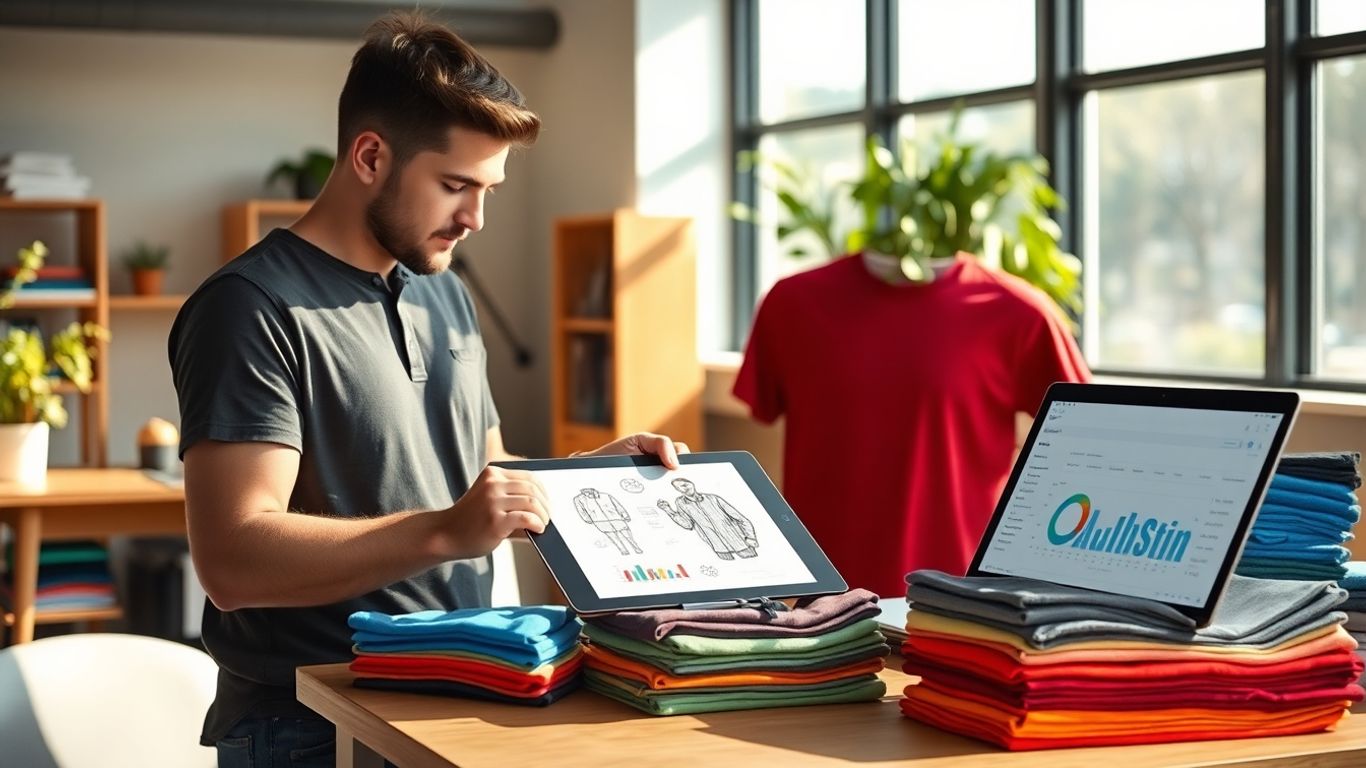
Alright, so you’ve got some killer designs ready to go. Now comes the part where you actually get those shirts made and into your customers’ hands. This is where things can get a little tricky, but also really exciting. You’ve got a couple of main paths you can take, and picking the right one depends a lot on your budget, how much time you have, and how much control you want over the whole process.
Leveraging Print-On-Demand Services
This is a super popular option, especially when you’re just starting out. With print-on-demand (POD), you partner with a company that prints your designs onto t-shirts only after a customer places an order. They handle all the printing, packing, and shipping directly to your customer. It’s pretty hands-off for you, which is great if you’re juggling this with a full-time job or other commitments. You don’t have to buy a bunch of shirts upfront, which means way less risk and lower startup costs. Plus, it’s easy to add new designs without worrying about what to do with unsold stock. It’s a low-risk, flexible way to launch or grow your own clothing brand.
Key advantages of POD include:
- No need to buy or store inventory: This drastically cuts down on upfront costs and the headache of managing stock.
- Low upfront investment: You can start with just your designs and a computer.
- Easy to test new designs: Quickly see what resonates with your audience without financial commitment.
- Focus on design and marketing: You can spend more time on what makes your brand unique.
However, there are downsides. Profit margins per shirt are generally lower compared to buying in bulk. You also have less control over the final print quality and shipping times, as you’re relying on a third party. It’s a trade-off for the convenience and reduced risk. If you’re looking to get started quickly and minimize initial expenses, POD is a solid choice. You can find providers that integrate easily with your online store .
Sourcing Materials And Printing Partners
If you decide to go the route of printing yourself or working with a local printer, you’ll need to know about the different ways shirts get decorated. Each method has its own strengths and weaknesses, affecting the look, feel, and cost of your final product. Screen printing, for example, is great for large runs and offers vibrant colors, but it requires a setup for each color in your design. Other methods like direct-to-garment (DTG) printing are better for complex, multi-color designs and smaller batches, offering a softer feel on the fabric.
When choosing a printing partner, consider:
- Quality of materials: What kind of t-shirts do they use? Are they soft, durable, and ethically sourced?
- Printing techniques offered: Do they have the right method for your designs (screen printing, DTG, embroidery)?
- Turnaround time: How quickly can they produce and ship orders?
- Minimum order quantities (MOQs): Some printers require you to order a certain number of shirts, which can be a barrier for new businesses.
- Cost: Get quotes and compare pricing, but don’t let it be the only factor.
Always, always order a sample of your t-shirt with your design printed on it before you start selling. This is the best way to catch any issues with the design, the print quality, or the shirt itself. It’s a small investment that can save you a lot of headaches later on.
Mocking Up Your T-Shirts For Online Display
Once you’ve got your designs and production sorted, you need to show people what they’re buying. This is where mockups come in. Instead of taking actual photos of every single shirt design (which can be expensive and time-consuming, especially if you’re using POD), you can use digital mockups. These are realistic images of your t-shirts with your designs placed on them. They make your products look professional and help customers visualize the final product.
High-quality mockups are super important. They’re what potential customers see first, and they need to look good. Think about the background, the lighting, and how the shirt is presented. A great mockup can make a simple design look amazing, while a bad one can make even the coolest graphic fall flat. It’s all about making your product appealing online.
There are tons of online tools and templates available for creating mockups. Some are free, while others have a small fee. You can find mockups featuring models, flat lays, or even just the shirt on a plain background. Choose mockups that fit your brand’s style and will appeal to your target audience. Make sure the design is placed correctly and looks natural on the shirt.
Establishing Your Online Presence
Alright, so you’ve got your awesome designs ready to go, and maybe you’ve even figured out how you’re going to get them printed. Now comes the part where people can actually buy your cool t-shirts: setting up your online shop. This might sound like a huge task, but honestly, it’s more about picking the right tools and putting in a bit of effort. Your website is your digital storefront, so make it count. Your online presence is where your brand lives and breathes.
Selecting The Right E-commerce Platform
This is a big decision, and it really depends on what you’re looking for. Do you want something super simple to get started, or do you need all the bells and whistles for total control? Here’s a quick look at some popular choices:
- Shopify: This is a go-to for many. It’s user-friendly, looks professional, and plays nicely with most print-on-demand services. You get a lot of features, but there’s a monthly fee.
- Etsy: If you’re aiming for a more handmade or unique vibe, Etsy is fantastic. It already has a built-in audience looking for custom stuff, which is a nice bonus. However, you have less control over your brand’s look and feel.
- Big Cartel: This one’s great for artists and small businesses. It’s pretty straightforward to use and usually has lower costs, especially if you’re just starting with a few products.
- Marketplaces (Amazon, eBay): These offer massive reach, but you’re just one seller among many. It can be harder to stand out, and you’re playing by their rules.
Think about where your ideal customer likes to shop online. If they’re already browsing Etsy for unique finds, that might be a good starting point. If you want your own branded space, Shopify or Big Cartel could be better. Choosing the right platform is key to your online t-shirt business .
Setting Up Your Online Storefront
Once you’ve picked your platform, it’s time to actually put your t-shirts up for sale. This means creating product pages that make people want to click ‘Add to Cart’.
- Great Photos: Use clear, attractive mockups of your t-shirts. Show them from different angles, maybe even on a model if you can. Your store’s visitors will rely on your media to understand if the product is right for them.
- Catchy Descriptions: Write descriptions that tell a story about the design, the quality of the shirt, and why someone would love wearing it. Don’t just list features; sell the feeling.
- Clear Pricing and Sizing: Make sure your prices are easy to see and understand. Include a detailed size chart to help customers pick the right fit and reduce returns.
- Simple Checkout Process: Nobody likes a complicated checkout. Make it as smooth and quick as possible.
Building a website is your chance to make a great first impression. Use a drag-and-drop store builder to create a professional-looking site, complete with product pages, collections, and information about your brand. Focus on making your site easy to navigate, with clear categories and a simple checkout process.
Optimizing Product Listings For Search
Just having a store isn’t enough; people need to be able to find your products. This is where search engine optimization (SEO) comes in, even for your product pages.
- Keywords: Think about what terms people would type into Google to find a shirt like yours. Use these words naturally in your product titles and descriptions. For example, instead of just "Graphic Tee," try "Vintage Band Graphic Tee" or "Funny Cat Lover T-Shirt."
- Image Alt Text: When you upload your product photos, add descriptive alt text. This helps search engines understand what the image is about and can also help visually impaired users.
- Unique Descriptions: Avoid copying descriptions from your print provider. Write unique content for each product to help it rank better.
- Customer Reviews: Encourage customers to leave reviews. Positive reviews not only build trust but can also contain keywords that help with search rankings.
Marketing Your T-Shirt Business Effectively
Alright, so you’ve got your awesome designs ready and your online store is looking sharp. Now comes the part where you actually get people to see your stuff and, you know, buy it. This isn’t just about putting your shirts out there and hoping for the best; it’s about being smart with how you reach folks. Getting your brand in front of the right eyes is key to turning those clicks into customers.
Developing A Social Media Marketing Strategy
Social media is pretty much where it’s at for t-shirt businesses. Think Instagram, TikTok, and Pinterest – these are visual platforms, perfect for showing off your cool graphics. You don’t just want to post product shots, though. Mix it up! Share lifestyle photos of people actually wearing your shirts, give a peek behind the scenes of how you create things, or even share customer photos if they tag you. Building a community around your brand is way more effective than just shouting about sales. It’s about creating a vibe that people want to be a part of. You can start by posting regularly and engaging with comments and messages. For example, a brand focused on vintage-inspired designs might share old photos that inspired their work or run polls asking followers which retro style they’d like to see next. This kind of interaction helps build a loyal following.
Implementing Search Engine Optimization (SEO)
When people search online for t-shirts, you want your store to pop up, right? That’s where SEO comes in. It sounds technical, but it’s mostly about using the right words. Think about what terms someone would type into Google if they were looking for a shirt like yours. Use those keywords naturally in your product titles, descriptions, and even in blog posts if you decide to start one. For instance, if you sell funny cat t-shirts, make sure words like "funny cat shirt," "cat lover tee," or "kitten graphic t-shirt" are in there. This helps search engines understand what you’re selling and show your products to people who are actively looking for them. It’s a bit of a slow burn, but it pays off in the long run by bringing in free, targeted traffic to your site. You can also look into optimizing product listings to make them more discoverable.
Building Customer Relationships And Loyalty
Making a sale is great, but getting someone to come back and buy again? That’s gold. One of the best ways to do this is by building an email list from the get-go. Offer a small discount for signing up, and then use that list to send out updates about new designs, special promotions, or even just share some brand stories. People appreciate feeling like they’re in the loop. Also, make sure your customer service is top-notch. Respond quickly to questions, handle any issues with a smile (even if it’s just via email!), and generally be a good human to interact with. Loyalty programs, like a small discount for repeat buyers, can also encourage people to stick around. Remember, people buy from brands they like and trust, so showing your personality and being genuine really makes a difference.
Building a brand isn’t just about selling shirts; it’s about creating a connection. People buy from brands they like and trust. Showing your personality and being genuine goes a long way in making customers feel like they’re part of something.
Here’s a quick look at some marketing tactics:
- Social Media Engagement: Post consistently, use relevant hashtags, and interact with your followers.
- Email Marketing: Collect emails and send out newsletters with new arrivals and exclusive deals.
- Influencer Collaborations: Partner with smaller influencers whose audience matches yours.
- Content Creation: Share blog posts or videos related to your niche.
Don’t forget to keep an eye on what’s working. Most e-commerce platforms give you analytics to see which marketing efforts are bringing in sales and which designs are the most popular. This info helps you focus your energy where it counts.
Scaling Your T-Shirt Company For Growth
So, your t-shirt business is actually doing well. That’s awesome! Now what? It’s time to think about growing. This isn’t just about making more money, though that’s a big part of it. It’s about making your business stronger and reaching more people who will love your designs.
Expanding Product Offerings Beyond T-Shirts
Once you’ve got a solid handle on your t-shirt sales, it’s a natural next step to think about what else your customers might want. Your designs aren’t just for tees, right? You can put them on all sorts of other stuff. Think about hoodies, sweatshirts, tank tops, hats, tote bags, even mugs or phone cases. This is a great way to get more sales from the same customer base and attract new ones who might be looking for something other than a t-shirt. It also helps spread your brand message across more items.
- Hoodies & Sweatshirts: Perfect for cooler weather and often have a higher perceived value.
- Hats & Beanies: A popular accessory that can showcase your brand in a different way.
- Tote Bags: Eco-friendly and practical, great for everyday use.
- Mugs & Drinkware: Good for home or office, and can feature simpler designs.
Exploring Global Market Opportunities
Don’t limit yourself to just your local area or even your country. Thanks to the internet and print-on-demand services, selling your t-shirts worldwide is totally doable. Platforms like Shopify, Etsy, and specialized print-on-demand providers can handle production and shipping to pretty much anywhere. This opens up a massive new customer base. You just need to make sure your designs translate well and that you understand any potential international shipping costs or regulations.
Selling globally means your brand can reach people you’d never have imagined. It’s about making your designs accessible to a much wider audience, turning your small operation into something with real international reach. This expansion requires careful planning regarding logistics and understanding different market preferences, but the potential reward is significant.
Analyzing Performance Metrics For Continuous Improvement
To really grow, you can’t just guess what’s working. You’ve got to look at the numbers. Most e-commerce platforms give you data on sales, website traffic, and where your customers are coming from. Pay attention to which designs are selling the most and which ones are just sitting there. Also, listen to what your customers are saying in reviews or on social media. Are they asking for different colors? Do they love the fit? This feedback is gold. It tells you exactly where to focus your energy and what to improve.
Here’s a quick look at what to track:
- Best-selling designs: Identify your top 5-10 designs and figure out why they’re popular. Is it the graphic? The slogan? The color?
- Low-performing designs: See which designs aren’t moving and consider retiring them, revamping them, or maybe even discontinuing them.
- Customer feedback: Read reviews and comments. Look for recurring themes about product quality, fit, or design ideas.
- Website traffic sources: See where your visitors are coming from (social media, search engines, ads) and what pages they spend time on.
The key is to use this data to make smart decisions about what designs to push, what new products to introduce, and where to put your marketing efforts.
Wrapping It Up
So, you’ve got the roadmap to launching your very own T-shirt company in 2026. It might seem like a lot, but remember, you can start small and grow. With the right designs, a clear niche, and smart use of online tools, you’re well on your way. Don’t be afraid to experiment, learn from your sales, and keep creating. The world of custom apparel is huge, and there’s definitely a spot for your unique ideas. Go ahead, get those designs out there, and start building your brand. It’s your time to shine!
Frequently Asked Questions
Do I need a lot of money to start a t-shirt business?
Not at all! You can get started with very little cash. Using services called ‘print-on-demand’ means you don’t have to buy shirts ahead of time or keep them in a big pile. You only pay for the shirt when someone buys it from you. This saves you a lot of money upfront and means you won’t have extra shirts nobody wants.
How do I make my t-shirts stand out from others?
The best way to stand out is to pick a special group of people to sell to, like fans of a certain hobby, a specific type of humor, or a unique style. Instead of trying to sell to everyone, focus on a niche. This helps you create designs that these specific people will love and makes your brand easier to remember.
What’s the best way to design t-shirts?
You can use easy-to-use design tools like Canva or more advanced ones like Adobe Illustrator. Make sure your designs are clear, look good, and are ready to be printed. Keep an eye on what designs are popular right now, but also try to create something totally new that shows off your brand’s style.
How do I sell my t-shirts online?
You’ll need an online store. Popular and easy-to-use options include Shopify, Etsy, or platforms like Printify that connect directly to stores. You’ll upload your designs, set up your shop, and list your t-shirts for sale. Good pictures and clear descriptions are important!
How can I get people to buy my t-shirts?
You need to tell people your shirts exist! Use social media like Instagram and TikTok to show off your designs and connect with potential customers. You can also use search engine optimization (SEO) so people find your store when they search online. Running ads can also help get more eyes on your products.
Can I sell t-shirts in other countries?
Yes, you absolutely can! Many online selling platforms and print-on-demand services make it simple to ship your t-shirts all over the world. They often handle the complicated shipping steps, so you can reach a much bigger audience without a lot of extra work.