
Ecommerce vs. Retail: Navigating the Key Distinctions in Today’s Market
- Date
So, you’re trying to figure out the whole ecommerce vs retail thing, right? It’s a big topic these days, with everyone talking about online shopping and those good old physical stores. They both get products to people, but they do it in pretty different ways. We’ll break down what makes them tick, how they operate, and what that means for businesses and shoppers alike. It’s not really about one being better than the other, but more about understanding how they work and how they can even work together.
Key Takeaways
- Ecommerce is all about selling online, reaching customers anywhere, anytime, often with lower overhead costs.
- Traditional retail happens in physical stores, letting customers see and touch products before buying, creating a different kind of experience.
- Both ecommerce and retail have their own ways of handling things like getting products, managing stock, and getting orders out.
- Businesses need to think about who their customers are and what they want when deciding between or combining ecommerce and retail strategies.
- Many businesses are finding success by mixing online and physical shopping, giving customers more options and a smoother experience overall.
Understanding The Core Differences Between Ecommerce vs Retail
Defining The Sales Environment: Online Versus Offline
At its heart, the biggest difference between ecommerce and traditional retail is where the selling actually happens. Retail, the kind most of us grew up with, is all about physical spaces. Think of your local clothing store, the big box electronics shop, or even the grocery store down the street. Customers walk in, they see the products, they can touch them, try them on, and then make a purchase right there. It’s a tangible experience.
Ecommerce, on the other hand, lives entirely online. It’s a digital storefront, a website or an app where customers browse products virtually. They click, add to cart, and pay online. The entire transaction takes place without any physical interaction with the store itself. This online environment removes the need for a physical location for the customer to visit, opening up a whole new world of possibilities for businesses.
Geographical Reach And Market Size
This difference in sales environment directly impacts how far a business can reach. A traditional retail store is limited by its physical location. You’re primarily serving people who can physically get to your store. If you’re in a small town, your customer base is naturally smaller than if you were in a major city. It’s all about local foot traffic.
Ecommerce blows those geographical limits right out of the water. A business selling online can reach customers anywhere in the world, provided they can ship there. This means a small startup in one country can potentially sell to customers in dozens of others. The market size for an ecommerce business is theoretically global, which is a massive advantage for growth.
Investment And Operational Costs
Setting up a physical retail store involves significant upfront costs. You need to rent or buy a building, renovate it, stock it with inventory, hire staff, and pay for utilities and insurance. It’s a big financial commitment before you even make your first sale.
Ecommerce, while not entirely free, generally has lower startup costs. You don’t need a prime retail location. Your main investments are in building and maintaining a website, digital marketing, and setting up a system for shipping and handling orders. While there are still costs involved, they are often more manageable for new businesses compared to opening a brick-and-mortar store. This makes it easier for entrepreneurs to get started in the online space.
Navigating Operational Dynamics: Ecommerce vs Retail
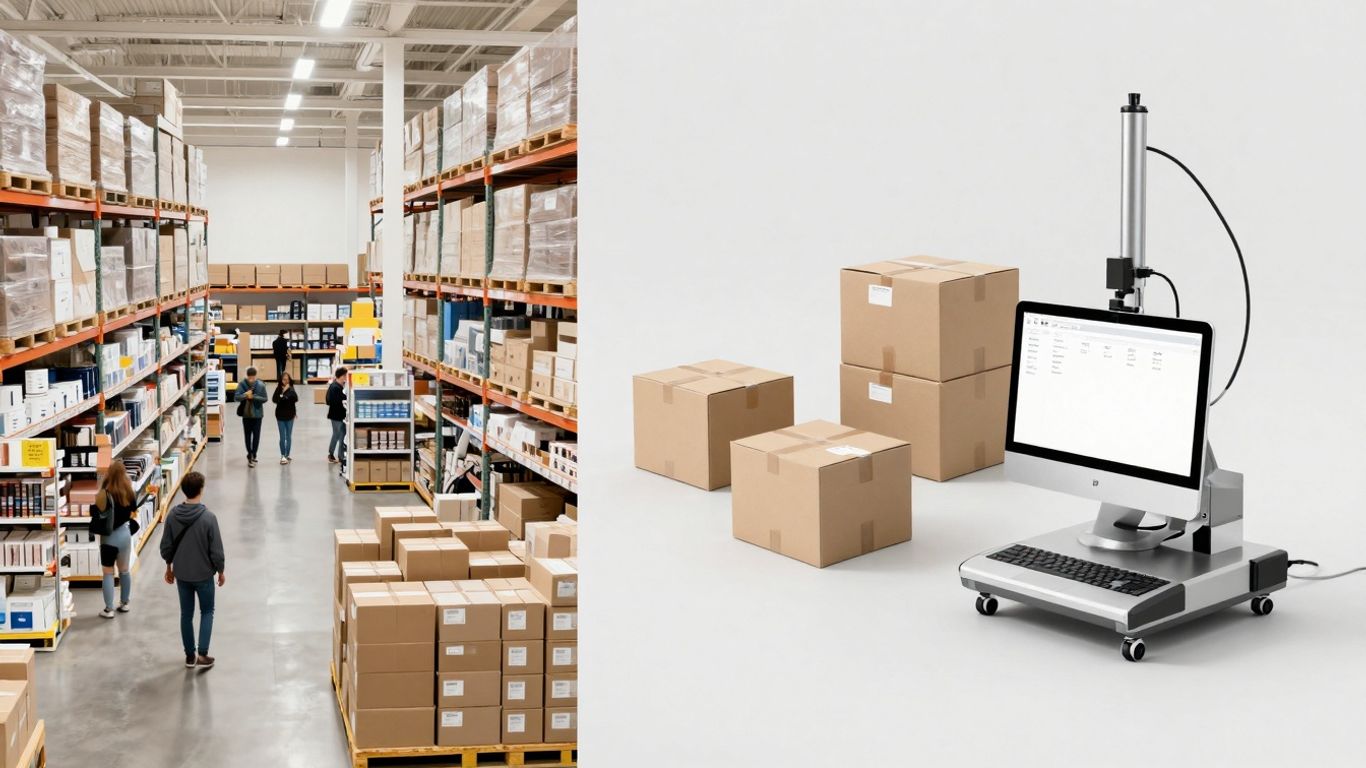
When we talk about how businesses actually get products from point A to point B and into customers’ hands, things look pretty different depending on whether you’re online or in a brick-and-mortar store. It’s not just about the storefront; it’s about the whole system working behind the scenes.
Supply Chain Mechanisms
In traditional retail, the supply chain often involves a more direct path from manufacturer to distributor, then to the store, and finally to the customer. Think of it like a relay race where each leg is pretty defined. Stores get shipments, stock shelves, and customers pick items off those shelves. It’s a physical flow.
Ecommerce, on the other hand, can have a more varied supply chain. Products might ship directly from a manufacturer to a customer (drop-shipping), from a central warehouse to the customer, or even from a retail store that’s fulfilling an online order. This means more flexibility but also more complexity in tracking.
Inventory Management Strategies
Managing stock is a whole different ballgame. Retail stores need to manage inventory across multiple physical locations, considering shelf space, display needs, and local demand. They often rely on point-of-sale (POS) systems to track what’s selling in real-time.
Ecommerce businesses, especially those with large online catalogs, need sophisticated systems to track inventory across potentially vast warehouses or even multiple fulfillment centers. The goal is to avoid overselling popular items and to know exactly where stock is located for quick shipping. Accurate inventory counts are absolutely critical for online success.
Here’s a quick look at some key differences:
| Feature | Traditional Retail | Ecommerce |
|---|---|---|
| Inventory Location | Physical store shelves, back rooms, local warehouses | Centralized warehouses, fulfillment centers, drop-shippers |
| Tracking Method | POS systems, manual counts, RFID | Warehouse Management Systems (WMS), real-time digital tracking |
| Stockouts | Visible to customers, immediate impact on sales | Can lead to lost sales, negative reviews, customer frustration |
Order Fulfillment Processes
For retail, fulfillment is straightforward: the customer picks the item off the shelf and pays at the register. The transaction is immediate.
Ecommerce fulfillment is where things get interesting. It involves:
- Receiving the online order.
- Picking the item(s) from inventory.
- Packing the item(s) securely.
- Shipping the package via a carrier.
- Handling potential returns.
This process requires dedicated staff, packing materials, shipping software, and relationships with logistics providers. It’s a multi-step operation that happens after the sale is made, unlike the in-store experience.
The efficiency of your supply chain, inventory control, and order fulfillment directly impacts customer satisfaction and your bottom line. For online businesses, these operational aspects are often the silent heroes (or villains) of the customer experience, determining if a purchase is a delight or a disaster.
Strategic Impact On Businesses: Ecommerce vs Retail
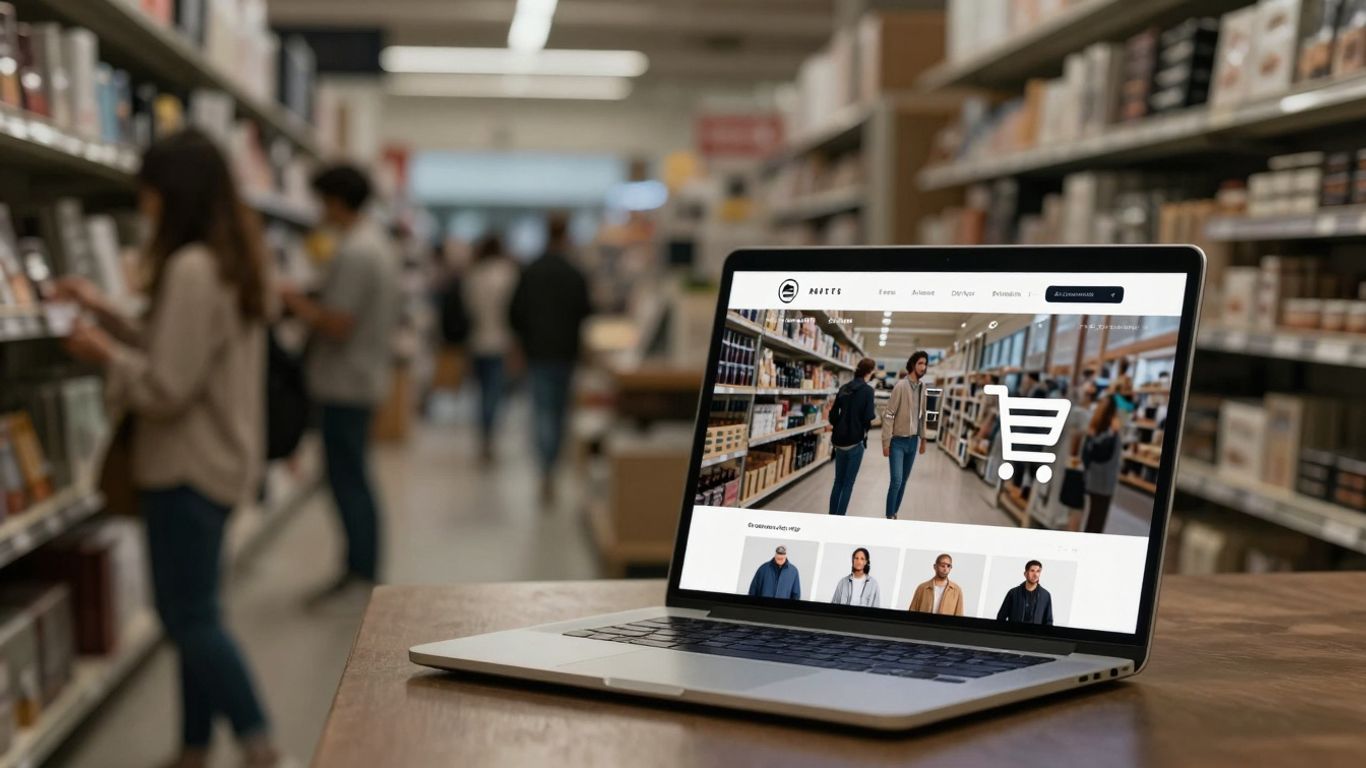
When you’re running a business, deciding how you sell your stuff really matters. It changes how much money you need to start, where you can sell, and how you talk to customers. It’s not just about having a shop or a website; it’s about the whole game plan.
Market Accessibility And Scalability
Ecommerce totally changes the game when it comes to reaching people. You’re not stuck with just the folks who can walk into your store. With an online shop, you can sell to anyone, anywhere. This means your potential customer base goes from local to global pretty fast. It’s way easier to grow your business this way without needing a bunch of new physical locations. Think about it: you can scale up your online sales without the headache of finding and fitting out more stores. This is a huge plus for businesses looking to expand quickly. Traditional retail has its limits, mostly tied to where your store is and how many people can physically get there. While it builds local connections, it’s harder to suddenly serve a whole new city or country without a massive investment.
Customer Acquisition And Retention
Getting new customers and keeping them coming back is different online versus in person. Online, you can use all sorts of digital ads and social media to find people who might like your products. It’s a numbers game, and you can track what works pretty well. But keeping them? That’s where it gets tricky. Online, customers have endless choices, and it’s easy for them to click away. You have to work harder to make them feel connected. In a physical store, it’s easier to build a relationship. A friendly face, good service, and a nice atmosphere can make people feel loyal. They can touch and feel the products, which is something you just can’t replicate online. It’s about creating an experience that makes them want to return.
Brand Building And Loyalty
Building a brand and making sure customers stick with you is a big deal. Ecommerce lets you tell your brand’s story through your website, social media, and content. You can create a consistent look and feel everywhere. However, building deep loyalty can be tough when everything is digital. People might buy from you once because of a good deal, but they might not feel a strong connection. Retail stores, on the other hand, offer a tangible experience. When customers walk into a well-designed store, interact with helpful staff, and have a pleasant time, it creates a stronger emotional bond. This personal interaction can lead to more lasting loyalty. It’s about creating a memorable experience that goes beyond just the transaction.
The choice between ecommerce and traditional retail, or a mix of both, significantly shapes a business’s path. Each has unique strengths for reaching customers and building a lasting presence. Understanding these differences helps businesses make smarter decisions about where and how they sell their products.
Elevating Customer Experiences: Ecommerce vs Retail
When we talk about shopping, it’s not just about finding what you need; it’s about how you feel while doing it. Both online stores and physical shops try to make this experience good, but they do it in really different ways.
The Tangible Appeal Of Physical Stores
Walking into a brick-and-mortar store offers something digital can’t quite replicate: the chance to actually touch and feel products. For things like clothes, you can see how the fabric drapes, or for electronics, you can hold them to get a sense of their weight and build quality. It’s a very direct, sensory interaction. Plus, there’s the immediate gratification of taking your purchase home right then and there. No waiting for shipping! Store staff can also offer real-time help, answering questions on the spot and guiding you through options. This personal touch can make a big difference, especially for bigger purchases or when you’re unsure what you want.
- Immediate Gratification: Get your items the moment you buy them.
- Tactile Experience: Physically interact with products before purchasing.
- Personalized Assistance: Direct help from sales associates.
The Convenience Of Digital Shopping
Online shopping, on the other hand, is all about making things easy and accessible. You can browse from your couch, during your lunch break, or late at night – whenever works for you. The sheer variety of products available online is usually much larger than what any single physical store can stock. You can easily compare prices across different retailers and read reviews from other shoppers, which helps a lot in making a decision. While you don’t get the product right away, the convenience of having it delivered to your doorstep is a huge draw for many people. It really cuts down on the time and effort of going to a store.
The digital marketplace allows consumers to research extensively, compare options effortlessly, and access a wider selection than physical locations typically permit. This empowers informed decision-making, even if it means a delay in receiving the item.
Personalized Assistance And Support
Customer service in ecommerce has evolved a lot. While you don’t get face-to-face interaction, many online stores use tools like live chat, detailed FAQs, and responsive email support to help shoppers. Some even use AI chatbots to answer common questions instantly. The goal is to provide support that feels helpful and efficient, even without the human element being physically present. For businesses, this means finding ways to make the online interaction feel as supportive and trustworthy as a conversation with a salesperson in a store. It’s about building that connection digitally, which is key for customer experience .
Here’s a quick look at how they stack up:
| Feature | Physical Retail | Ecommerce |
|---|---|---|
| Sensory Interaction | High (touch, feel, try on) | Low (visuals, descriptions, reviews) |
| Immediacy | High (take home immediately) | Low (requires shipping time) |
| Product Variety | Limited by store space | Vast, often global |
| Shopping Hours | Limited by store operating hours | 24/7 |
| Personal Assistance | Direct, in-person | Digital (chat, email, FAQs) |
The Path To Seamless Shopping: Embracing Omnichannel
Integrating Online And Offline Channels
So, we’ve talked about online stores and physical shops separately. But honestly, most people don’t just stick to one. They’ll see something on their phone, maybe check it out in a real store, and then decide to buy it later from their computer. It’s all about making that journey smooth, no matter how they’re shopping. Brands that keep their online and physical worlds totally separate are really missing out. Customers expect to be able to buy online and pick it up at the store, or return something they bought online to a regular shop. It’s not just a nice idea anymore; it’s what people expect.
Harmonizing Customer Journeys
Think about it: a customer might start their shopping trip on social media, then visit your website, maybe even pop into a physical store, and finally make a purchase. An omnichannel approach means all these touchpoints work together. It’s like having a single conversation with your customer, no matter where they’re talking to you from. This means consistent branding, pricing, and product information across all platforms. It’s about making sure the customer doesn’t feel like they’re dealing with different companies when they switch from your app to your store.
Leveraging Data For Enhanced Experiences
This is where things get really interesting. By connecting your online and offline data, you get a much clearer picture of who your customers are and what they want. You can see what they’re browsing online, what they’re buying in-store, and how they interact with your brand at different points. This information helps you personalize offers, recommend products they’ll actually like, and even predict what they might need next. It’s not just about selling more; it’s about making the shopping experience better for them.
The goal is to create a unified experience where the customer feels recognized and valued, regardless of the channel they choose. This requires a commitment to breaking down internal silos and prioritizing a customer-first mindset across the entire organization.
Here’s a quick look at how different channels can work together:
- Click and Collect: Customers buy online, pick up at a convenient store location.
- In-Store Returns for Online Purchases: Allows flexibility and reduces friction for customers.
- Endless Aisle: If an item isn’t in stock at the physical store, staff can help the customer order it online for home delivery.
- Personalized In-Store Recommendations: Based on online browsing history or past purchases.
This integrated approach isn’t just a trend; it’s becoming the standard for businesses that want to stay competitive and keep their customers happy in today’s mixed-up market.
Wrapping It Up
So, we’ve looked at how online shopping and regular stores are different. It’s pretty clear that they both have their own good points and their own headaches. Online stores let you buy pretty much anything from your couch, which is super convenient. But sometimes, you just want to see something in person, right? Like trying on clothes or checking out electronics before you buy. The big takeaway here is that most businesses today aren’t just picking one or the other. They’re trying to make both work together, giving customers options. Whether you’re a shopper or a business owner, understanding these differences helps a lot in figuring out how to get what you need or how to sell it best in this mixed-up market.
Frequently Asked Questions
What’s the main difference between online shopping and shopping in a store?
Online shopping, or ecommerce, happens on the internet. You buy things using a computer or phone. Shopping in a store, or retail, means going to a physical place like a mall or a shop to buy things.
Can a business sell things both online and in a store?
Yes! Many businesses do this. They sell online through websites and also have physical stores. This is called an ‘omnichannel’ approach and lets customers shop however they like.
Is it cheaper to run an online store or a physical store?
Usually, online stores cost less to run because they don’t need a big building or lots of staff in a store. Physical stores have more costs like rent and electricity.
Why do people still shop in physical stores if online shopping is so easy?
People like to see, touch, and try products before buying them, especially clothes or electronics. They also enjoy the experience of walking around a store and getting help from staff right away.
Can online stores reach customers all over the world?
Yes! Online stores can sell to anyone, anywhere with internet access. This is a big advantage because they aren’t limited by how close customers live to a store.
What’s better for a business: selling online or in a store?
It really depends on the business! Many businesses do best by using both online and in-store methods. This way, they can reach more customers and offer different ways to shop.