
Navigating the Future: Key Strategies for Automotive E-Commerce Success in 2025
- Date
The way people buy cars and car parts is changing fast. It used to be all about going to the dealership, kicking the tires, and talking to a salesperson. Now, a lot of that can happen right from your couch. This shift to online buying, or ecommerce automotive, means dealerships and car companies need to think differently about how they reach customers and make sales. If you want to do well in the car world in 2025, you’ve got to get online and make it easy for people to buy from you digitally. This article looks at how to do just that.
Key Takeaways
- Making your car buying process digital is no longer optional; it’s how customers want to shop.
- Use technology like virtual tours and AI to make the online car buying experience better.
- Connect your online and physical stores so customers have a smooth experience no matter how they shop.
- Pay attention to customer data to understand what they want and how to reach them effectively.
- Think about selling directly to customers and building strong relationships to keep them coming back.
Embracing the Digital Shift in Automotive E-commerce
The way people buy cars and car parts has really changed, and it’s not going back. We’re seeing a big move towards doing almost everything online, from the first look to the final paperwork. This digital shift isn’t just a trend; it’s becoming the standard way folks want to shop for vehicles. Dealerships and manufacturers that don’t adapt will likely get left behind.
The Evolving Landscape of Online Vehicle Purchasing
Buying a car used to mean spending a whole Saturday at the dealership. Now, you can do most of it from your couch. People are researching models, comparing prices, and even applying for financing all through their computers or phones. This convenience is a huge draw. It’s not just about browsing anymore; many customers are ready to complete the entire purchase online. This means businesses need a solid online presence that makes the buying process smooth and trustworthy. It’s about meeting customers where they are, and increasingly, that’s online. We’re seeing projections that automotive ecommerce sales will keep climbing, reaching significant figures in the coming years. This growth shows how much people are embracing digital channels for big purchases. Forget dusty lots and pushy salespeople. The new way to look at cars is through digital showrooms and virtual tours. Imagine walking around a car, opening doors, and checking out the interior, all from your screen. High-quality videos are a big part of this, showing off the car’s features and how it drives. This kind of content really helps people get a feel for the vehicle before they even think about a test drive. It’s a way to make the online experience feel more real and engaging, cutting down on the need for initial in-person visits. Check out product videos to see how they can make a difference. Digital tools such as AR showrooms are revolutionizing the online car shopping experience.
Meeting Customers Where They Are: The Rise of Online Shopping
It’s not just about having a website anymore; it’s about making that website work for you and your customers. Think about how you shop for things online – you want it to be easy, right? The automotive world is catching up, and technology is the key. We’re seeing some really cool stuff that makes buying cars and parts way less of a headache. AI is changing the way we shop online. It looks at what you’ve bought before, what you’ve looked at, and even what kind of car you drive, then suggests things you might actually need. It’s like having a helpful salesperson who knows your car inside and out. For example, if you’re buying brake pads for your truck, it might also show you compatible rotors or even a full brake kit. This kind of smart suggestion helps you find the right parts faster and can even introduce you to products you didn’t know you needed. It really makes the whole process feel more tailored to you. This is a big deal for building customer loyalty, as people appreciate when a business seems to understand their specific needs.
Navigating Omnichannel Strategies for Seamless Journeys
People don’t just stick to one way of shopping anymore. They might see an ad on their phone, check a car’s features on their tablet, and then visit a showroom to test drive it. An omnichannel approach means making sure the experience is smooth no matter how the customer interacts with the brand. This means consistent information and easy transitions between online and offline touchpoints. It’s about making it easy for customers to buy how and when they want. Nobody likes a complicated process, especially when buying something as big as a car. The goal now is to make the entire journey, from start to finish, as simple as possible. This means cutting out unnecessary steps and making sure information is clear and easy to find. Customers want to move from browsing to buying without hitting roadblocks. This could involve things like online financing applications that are quick and easy, or digital tools that help you figure out exactly which car fits your needs and budget. When the path to purchase is clear and straightforward, people are much more likely to complete the sale. It’s all about removing friction and making the experience pleasant.
Leveraging Technology for Enhanced Customer Experiences
Buying a car or even just parts for one used to be a pretty hands-on affair. You’d go to a dealership, talk to a salesperson, maybe kick some tires. Now, though, things are different. Technology is stepping in to make the whole process feel more modern and, honestly, a lot less of a hassle. It’s not just about having a website anymore; it’s about making that website work for you and your customers. Think about how you shop for things online – you want it to be easy, right? The automotive world is catching up, and technology is the key. We’re seeing some really cool stuff that makes buying cars and parts way less of a headache.
AI and Machine Learning for Personalized Recommendations
Remember when online shopping meant sifting through endless pages of stuff you didn’t really want? AI is changing that. It looks at what you’ve bought before, what you’ve looked at, and even what kind of car you drive, then suggests things you might actually need. It’s like having a helpful salesperson who knows your car inside and out. For example, if you’re buying brake pads for your truck, it might also show you compatible rotors or even a full brake kit. This kind of smart suggestion helps you find the right parts faster and can even introduce you to products you didn’t know you needed. It really makes the whole process feel more tailored to you. This is a big deal for building customer loyalty, as people appreciate when a business seems to understand their specific needs.
Augmented Reality Showrooms and Virtual Tours
Forget dusty lots and pushy salespeople. The new way to look at cars is through digital showrooms and virtual tours. Imagine walking around a car, opening doors, and checking out the interior, all from your screen. High-quality videos are a big part of this, showing off the car’s features and how it drives. This kind of content really helps people get a feel for the vehicle before they even think about a test drive. It’s a way to make the online experience feel more real and engaging, cutting down on the need for initial in-person visits. Think of it as a preview that builds excitement and confidence. For parts retailers, this presents a tremendous opportunity to showcase products in ways that build confidence without requiring in-person inspection:
- 360-degree part visualization : Allowing customers to examine parts from all angles.
- Installation visualization : Showing how parts fit with specific vehicle models.
- Augmented reality compatibility checks : Helping customers verify fitment before purchase.
These immersive experiences don’t just improve conversion rates—they also reduce return rates by setting accurate expectations about the products. This is particularly valuable for complex or visually-oriented automotive parts.
Streamlining the Buying Journey for Effortless Transactions
Nobody likes a complicated process, especially when buying something as big as a car. The goal now is to make the entire journey, from start to finish, as simple as possible. This means cutting out unnecessary steps and making sure information is clear and easy to find. Customers want to move from browsing to buying without hitting roadblocks. This could involve things like online financing applications that are quick and easy, or digital tools that help you figure out exactly which car fits your needs and budget. When the path to purchase is clear and straightforward, people are much more likely to complete the sale. It’s all about removing friction and making the experience pleasant.
Making the buying process feel straightforward and honest is key. If customers feel like they’re being treated fairly and can easily get help when they need it, they’re much more likely to come back.
Data-Driven Strategies for Automotive E-commerce Success
To really win in the automotive e-commerce game in 2025, you’ve got to get smart with your data. It’s not just about having a slick website anymore; it’s about knowing your customers inside and out. Understanding what makes them tick is the secret sauce.
Understanding Customer Preferences Through Data Analytics
Think about it: every click, every search, every abandoned cart tells a story. By digging into this information, you can figure out what people are actually looking for. Are they searching for fuel-efficient SUVs or classic muscle cars? Do they prefer online financing or a visit to the dealership? Analyzing this data helps you see patterns you might otherwise miss. It’s like having a crystal ball, but way more practical. This kind of insight is what helps auto dealers navigate a changing economy by employing data-driven marketing strategies. Leveraging expanded economic and behavioral insights is key to effectively identifying and targeting potential buyers. It helps you get ahead.
Tailoring Marketing and Advertising Efforts
Once you know what your customers want, you can start talking to them in a way that actually makes sense. Instead of sending out generic emails or ads, you can create messages that speak directly to their interests. If someone has been looking at trucks, show them truck ads. If they’ve been browsing for performance parts, highlight those. This personalization means your marketing budget goes further because you’re not wasting money on people who aren’t interested. It also makes customers feel like you get them, which is a big plus.
Here’s a look at how data can shape your marketing:
- Targeted Campaigns: Focus ads and promotions on specific customer segments based on their online behavior and past purchases.
- Personalized Content: Deliver website content, emails, and product recommendations that match individual customer preferences.
- Retargeting: Re-engage customers who have shown interest but haven’t completed a purchase with tailored offers.
- A/B Testing: Continuously test different marketing messages and visuals to see what performs best with your audience.
The key to success with marketing automation isn’t just implementing the technology—it’s developing a comprehensive strategy that aligns with your specific inventory and customer base. Generic approaches yield generic results.
The Impact of Mobile Commerce on Automotive Sales
Let’s face it, most people do a lot of their online shopping on their phones these days. This includes looking for car parts or even entire vehicles. If your website isn’t easy to use on a smartphone, you’re probably losing sales. Mobile commerce means making sure your site is fast, looks good, and is simple to navigate on a small screen. Think about one-click ordering, mobile payment options, and clear product displays. Making your mobile experience top-notch is no longer optional; it’s a requirement for staying competitive.
Consider these points for mobile optimization:
- Responsive Design: Your website must adapt automatically to any screen size.
- Fast Loading Speeds: Mobile users are impatient; slow sites mean lost customers.
- Simplified Navigation: Menus and buttons should be easy to tap with a thumb.
- Streamlined Checkout: Reduce the number of steps needed to complete a purchase on mobile.
Optimizing Operations for E-commerce Automotive Success
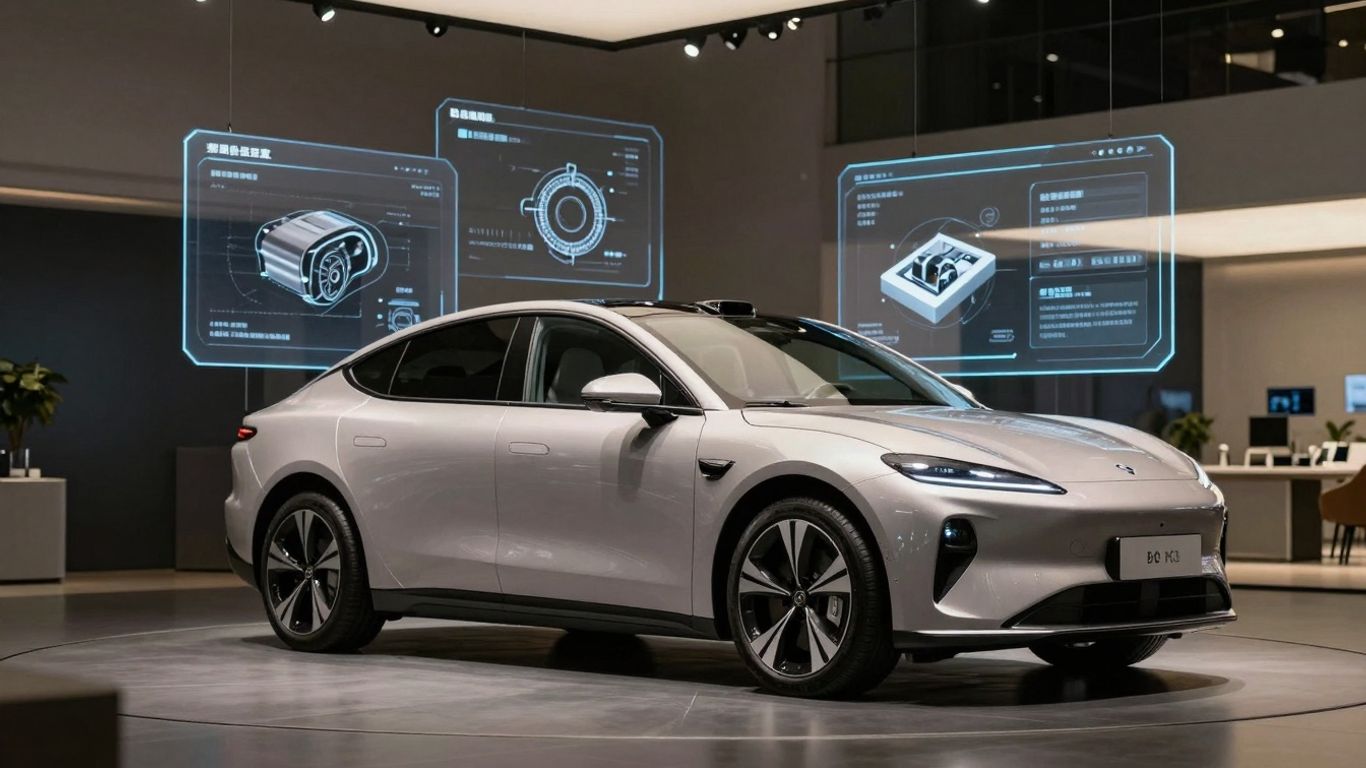
Running an automotive e-commerce business in 2025 means you’ve got to get your operations dialed in. It’s not just about having a cool website; it’s about making sure everything behind the scenes runs smoothly, especially when you’re dealing with a ton of different parts for all sorts of vehicles. Getting the operational side right is what separates the winners from the rest.
Managing Complex Inventories and Product Fitments
Let’s be real, the automotive world has a lot of parts, and making sure the right part fits the right car is a huge headache. If you get this wrong, you’re looking at canceled orders, unhappy customers, and lost sales. It’s a big deal. To get this right, businesses are using smart inventory systems. These systems can automatically track stock, update product info as it changes, and even use VIN lookups to confirm if a part will actually work. This not only makes your inventory more accurate but also helps customers find what they need way faster. It’s about taking the guesswork out of it.
- VIN Decoding: Automatically identify vehicle specifics to ensure part compatibility.
- Real-time Inventory Sync: Connect online stock levels with physical warehouses to prevent overselling.
- Automated Reordering: Set up triggers for low stock items to maintain a consistent supply.
Addressing Parts Shortages and Supply Chain Volatility
We’ve all heard about parts shortages and how crazy the supply chain can get. It’s a constant challenge. To deal with this, companies are getting smarter with digital tools. They’re using them for better demand forecasting, keeping a close eye on inventory across the board, and setting up automatic reordering. Good management software can track suppliers all over the country, helping businesses see shortages coming and avoid running out of stock. Plus, making storage and shipping more efficient helps cut down on costs and delays.
The ability to pivot quickly based on real-time supply chain data is becoming a competitive advantage. Businesses that invest in visibility tools and build flexible logistics networks will be better positioned to weather disruptions and maintain customer satisfaction.
The Growing Importance of EV Parts and Service Options
Electric vehicles (EVs) are no longer a niche market; they’re a significant and growing part of the automotive landscape. This shift means that e-commerce operations need to adapt. You’ll need to stock and efficiently manage inventory for EV-specific parts, from battery components to charging equipment. Furthermore, offering specialized service options or information related to EV maintenance and repair online can attract a whole new customer base. Think about how you can present these specialized parts and services clearly on your platform to meet this evolving demand.
| Category | Example Parts/Services |
|---|---|
| Powertrain | Battery packs, electric motors |
| Charging | Home chargers, public adapters |
| Thermal Mgmt. | Coolant systems for batteries |
| Diagnostics | EV-specific scan tools |
Building Trust and Loyalty in the Digital Automotive Marketplace
In today’s online world, just having a slick website isn’t enough to keep customers coming back. People are making big purchases, and they want to feel good about where their money is going. Building that trust is a big deal, and it’s something you have to work at constantly.
Transparency in Pricing and Service Offerings
Nobody likes surprises, especially when it comes to car parts or service. Being upfront about costs is super important. This means showing all the fees, taxes, and any extra charges right from the start. If you offer service packages, make it clear exactly what’s included. No one wants to find out later that a basic oil change doesn’t actually include a filter change.
- Clearly list all parts and labor costs.
- Explain any service packages in detail.
- Provide upfront quotes for repairs.
Customers appreciate honesty. When they can see exactly what they’re paying for, it removes a lot of the guesswork and anxiety associated with automotive purchases and maintenance.
The Power of Customer Reviews and Testimonials
What other people say about their experience can really make or break a potential sale. Online reviews are like the modern version of word-of-mouth, but they reach way more people. Positive feedback from real customers acts as a strong signal that your business is reliable and offers good service. It’s a good idea to encourage happy customers to share their thoughts.
- Make it easy for customers to leave reviews after a purchase or service.
- Feature glowing testimonials on your website and social media.
- Respond to reviews, both good and bad, to show you’re listening.
Cultivating Community Engagement and Brand Advocacy
Loyalty isn’t just about repeat business; it’s about creating a connection. Think about how you can get customers involved with your brand beyond just buying something. This could be through helpful content, like maintenance tips or guides on choosing the right parts. Building a community makes customers feel like they’re part of something bigger than just a transaction. When people feel connected to your brand, they’re more likely to stick around and even recommend you to others. This kind of engagement turns customers into advocates.
The Future of Automotive E-commerce: Connected Cars and Beyond
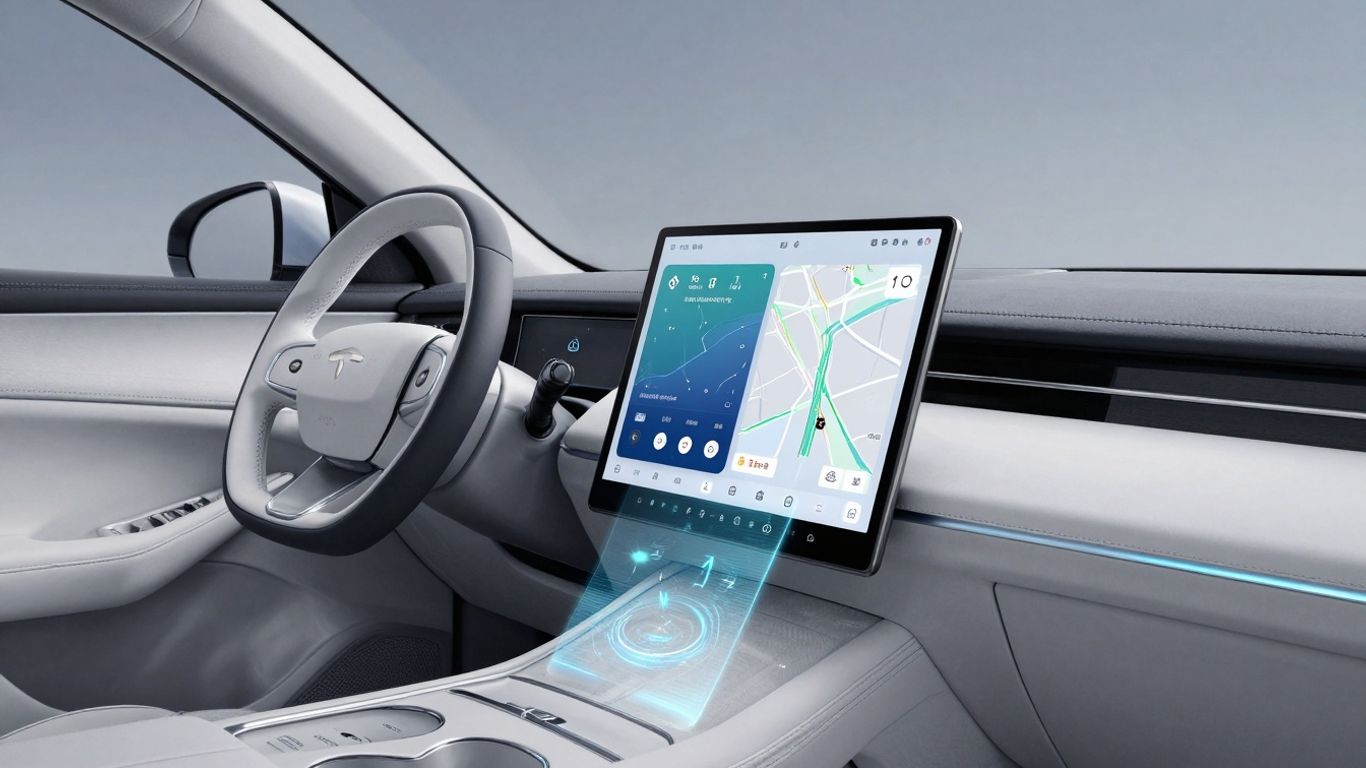
Connected Cars and IoT Integration for Aftersales
Cars today are basically computers on wheels, right? With all the sensors and connectivity, they’re spitting out tons of data. This opens up new avenues for aftersales services. Imagine your car telling you it needs an oil change and you can book it right through an app, or getting software updates remotely that add new features. These connected services can become significant revenue streams, keeping customers engaged with the brand long after they’ve driven off the lot. It’s all about using that data to offer personalized services and keep the vehicle running smoothly. This is a big part of the digital transformation in the industry.
Subscription Services and Flexible Ownership Models
We’re seeing a shift towards more flexible ways of owning and using vehicles. Subscription services offer lower upfront costs and more choice for consumers, which is a big draw. This also includes the growing demand for specialized parts and maintenance for electric vehicles. The whole ecosystem is changing.
Here’s a quick look at how these new models are shaping up:
- Subscription Services: Offers flexibility and lower upfront costs for consumers.
- EV Ecosystem: Growing demand for specialized parts and maintenance.
- Connected Car Services: Creates ongoing revenue through data-driven features and updates.
Adapting to Evolving Consumer Demands and Expectations
Consumers today expect a lot, and they want things done their way, often quickly. They’re not just looking for a car; they’re looking for an experience. This means businesses need to be flexible. For example, offering different payment plans or even options for B2B buyers like purchase orders can make a big difference. Chatbots are also becoming really important for answering questions right away and guiding people.
The shift towards flexible ownership and digital services is changing customer expectations. Businesses need to adapt by offering more than just a product; they need to provide a complete, convenient experience that fits modern lifestyles. This means embracing new payment models and service offerings that cater to this evolving demand.
Wrapping It Up: Your 2025 Automotive E-commerce Game Plan
So, as we wrap up, it’s clear that the automotive e-commerce world in 2025 is all about staying sharp and trying new things. Businesses that really lean into mobile-friendly setups, use AI to figure out what customers want, and make it easy for people to shop across different channels will be the ones leading the pack. Consumers expect things fast and want to know what’s going on, so keeping up is key. The companies that do well won’t just grab the latest tech; they’ll rethink how customers shop, build real trust by being upfront, and turn any bumps in the road into chances to get ahead. It’s a dynamic space, for sure, but with the right approach, success is definitely within reach.
Frequently Asked Questions
Why is it important for car businesses to be online now?
Most people start looking for cars and parts online. If a business isn’t online, it’s like they’re not even there for many shoppers. Being online means you can reach more people and make it easier for them to find and buy what they need, whenever they want.
What does ‘omnichannel’ mean for car shopping?
Omnichannel means making sure the shopping experience is smooth no matter how a customer connects with a brand. So, if someone sees an ad on their phone, then looks at the car on a tablet, and visits the store, all those steps should feel connected and easy, with the same information everywhere.
How can technology like AI help sell cars online?
AI can help by suggesting parts or cars that a customer might like based on what they’ve looked at before or what they already own. It’s like having a smart helper that knows what you might need, making the online shopping experience feel more personal and less overwhelming.
What’s the big deal about using data in car sales?
Looking at data helps businesses understand what customers really want. By seeing what people search for, what they click on, and what they buy, companies can offer better products, advertise smarter, and create a shopping experience that people actually enjoy.
Why are electric car parts becoming more important for online sales?
More people are buying electric cars, and these cars need special parts and service. Online stores that offer a good selection of these EV parts and reliable service options will do really well because they meet this growing demand.
How can car businesses build trust with online shoppers?
Being honest about prices and what’s included is key. Also, showing real customer reviews and testimonials helps a lot. When people see that others have had good experiences, they are more likely to trust the business and make a purchase themselves.