
Decoding Asian Shirt Sizes: Your Ultimate Guide to US Conversions
- Date
So, you found a cool shirt online, but the sizing looks a bit confusing? Yeah, that happens a lot when you’re shopping from different places, especially when trying to figure out asian shirt sizes compared to what we wear here. It can be a real headache, right? Don’t sweat it, though. We’ve all been there, staring at charts and wondering if a medium here is a large there. This guide is meant to make things clearer, from how to actually measure yourself properly to what to do if that awesome top doesn’t fit quite right when it arrives. Let’s get you shopping with more confidence, no matter where you’re buying from.
Key Takeaways
- Always take your own body measurements before you start shopping. It’s the best way to get an accurate size.
- Asian sizing often runs smaller than US sizing, so be ready to pick a larger size than you normally would.
- Look for size charts specific to the brand you’re buying from, as they can be very different from one company to another.
- Think about your height and how your body is shaped, not just the numbers for your bust, waist, and hips, for a better fit.
- Don’t hesitate to get clothes altered if they’re a bit off; a tailor can make them fit perfectly.
Understanding Asian Shirt Sizes: The Basics
So, you’ve spotted that perfect top or dress online, but the sizing looks like a different language? You’re not alone. Shopping for clothes from Asian brands when you’re used to US sizes can feel like a puzzle, and honestly, it’s a common hiccup. It’s not just a slight difference; sometimes, it’s a pretty big jump. Think of it like trying to use a foreign plug adapter – you need the right tool to make it work.
Why Asian Sizing Differs from American Sizing
Basically, clothing sizes aren’t universal. Different countries, and even different brands within those countries, have their own ways of doing things. This has developed over time, often influenced by average body types and the history of fashion in those regions. A ‘medium’ in one place might be a ‘small’ or even a ‘large’ somewhere else. It’s not that one is ‘right’ and the other is ‘wrong,’ they’re just different standards. Generally speaking, Asian sizing tends to run smaller than what we’re used to in the US. This is a key thing to remember right off the bat.
The Importance of Accurate Body Measurements
Trying to guess your size or relying on what you think you are is a recipe for disappointment. The absolute best way to get a good fit is to measure yourself. Don’t skip this step! Grab a soft tape measure and get your actual numbers. This is your most reliable tool when comparing yourself to those Asian size charts. It takes a few minutes, but it can save you a lot of hassle and returns.
Common Pitfalls in Asian to American Size Translation
One of the biggest headaches is that there isn’t one single, go-to Asian size chart that fits every brand. A size ‘M’ from a Korean brand might be completely different from a ‘M’ in a Japanese brand, and neither might match a US ‘M’. You’ll often find that Asian sizes run smaller, so you might need to size up, sometimes by more than one size. Another common issue is how measurements are listed.
Be aware that Asian charts often list measurements in centimeters (cm), while US charts typically use inches. Always double-check which unit of measurement you’re working with. A simple mix-up here can lead to ordering something that’s way off.
Here’s a general idea of how measurements might differ, but remember, always check the specific brand’s chart:
| Measurement | Asian Size (Approx.) | US Size (Approx.) |
|---|---|---|
| Bust (inches) | 32-34 | 34-36 |
| Waist (inches) | 24-26 | 26-28 |
| Hips (inches) | 34-36 | 36-38 |
Mastering Your Measurements for Asian Sizing
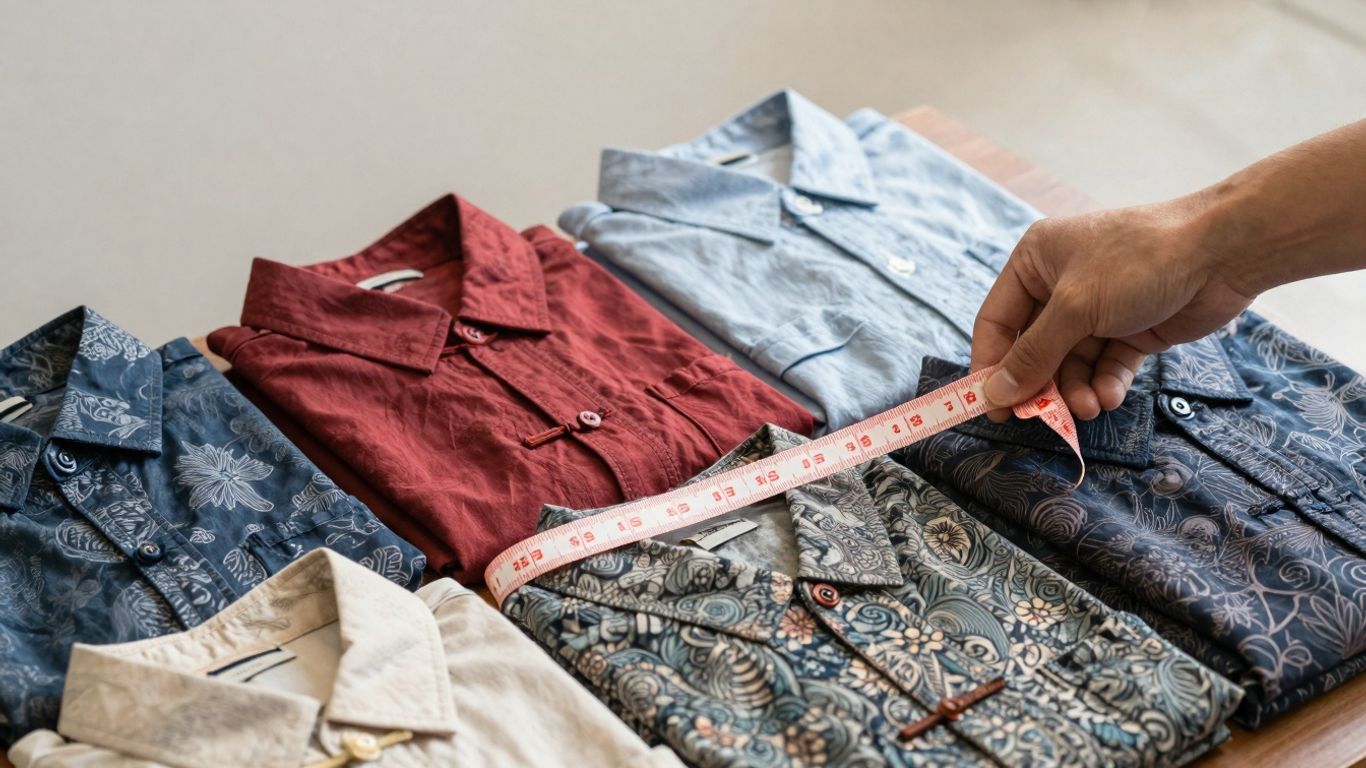
Okay, so you’ve decided to dive into the world of Asian fashion, which is awesome! But before you click ‘add to cart,’ let’s talk about something super important: getting your measurements right. Asian sizing can be a bit different from what we’re used to in the US, and honestly, guessing your size is a recipe for disappointment. The absolute best way to ensure a good fit is to take your own body measurements accurately. It sounds simple, but it makes a huge difference.
How to Accurately Measure Your Bust
This is probably the most critical measurement for tops and dresses. You’ll want to wrap a flexible tape measure around the fullest part of your bust. Make sure the tape is snug, but not so tight that it’s digging in. Keep it level all the way around, especially across your back. It’s best to do this without any bulky clothing on, or just a thin layer like a t-shirt. If you can, have a friend help you out; it makes it way easier to keep the tape straight across your back.
Finding Your True Waistline
Your waist measurement is usually taken at the narrowest part of your torso. A little trick is to bend slightly to one side; the crease that forms is generally where your natural waist is. Again, use that flexible tape measure and keep it parallel to the floor. Don’t suck in your stomach or hold your breath – just measure yourself as you naturally stand. This measurement is really key because it often dictates how a garment will fit around your middle.
Getting Precise Hip Measurements
For your hips, you’ll want to measure around the fullest part. Stand with your feet together, and wrap the tape measure around where your hips are widest. This is usually about 7-8 inches down from your natural waist. Make sure the tape isn’t dipping in the back. This measurement is super helpful for getting pants, skirts, and dresses to fit just right.
Here’s a quick look at how measurements can translate, though remember these are just examples and can vary:
| Measurement | Asian Size (Approx.) | US Size (Approx.) |
|---|---|---|
| Bust: 34" | M | 6 |
| Waist: 27" | M | 6 |
| Hips: 37" | M | 6 |
| Measurement | Asian Size (Approx.) | US Size (Approx.) |
|---|---|---|
| Bust: 38" | XL | 12 |
| Waist: 31" | XL | 12 |
| Hips: 41" | XL | 12 |
Always double-check the specific brand’s size chart. They can differ quite a bit, and relying on generic charts can lead to a less-than-perfect fit. Having your own accurate measurements handy makes comparing them to these charts much easier, leading to a better shopping experience.
It’s really about taking the time to measure yourself accurately. Don’t guess, and don’t rely on what size you think you are. Grab a tape measure, follow these simple steps, and you’ll be much closer to finding clothes that actually fit. It’s worth the effort, trust me!
Navigating Asian to American Size Charts
Alright, so you’ve got your measurements, and now it’s time to actually use them. This is where things can get a little fuzzy, because not all size charts are created equal, and there isn’t one magic formula that works for every single Asian brand. It’s kind of like trying to follow a recipe that’s been translated a few too many times – you get the gist, but some details get lost.
Utilizing Brand-Specific Measurement Charts
First things first: ditch the generic charts. Seriously. The most reliable way to figure out your size is to find the specific size chart for the brand you’re looking at. You can usually find these right on the product page or on the brand’s official website. These charts are your best bet because they’ll list the actual garment or body measurements that the brand uses. Don’t just assume a "Medium" in one brand will be the same as a "Medium" in another, especially when crossing continents.
Understanding Units: Centimeters vs. Inches
This is a big one, and it’s super easy to mess up. Asian size charts often list measurements in centimeters (cm), while American charts typically use inches. You absolutely must double-check which unit of measurement you’re working with. If you measure yourself in inches but the chart is in centimeters, your calculations will be way off. It’s worth having a quick conversion chart handy or using your phone’s calculator to switch back and forth. Always confirm the units before you start comparing numbers.
Here’s a rough idea of how measurements might compare, but remember, this is just a general guide:
| Measurement | Asian Size (Approx.) | US Size (Approx.) |
|---|---|---|
| Bust | 86-91 cm (34-36 in) | 34-36 |
| Waist | 66-71 cm (26-28 in) | 26-28 |
| Hips | 91-96 cm (36-38 in) | 36-38 |
Interpreting General Conversion Guidelines
While brand-specific charts are king, sometimes you might only have a general idea or a less detailed chart. In these cases, it’s common knowledge that Asian sizing tends to run smaller than US sizing. This often means you’ll need to size up. For example, if you typically wear a US Medium, you might find yourself needing a Large or even an XL in an Asian brand. It’s not a hard and fast rule, but it’s a good starting point if you can’t find detailed measurements. Keep in mind that this is a generalization, and actual fit can depend on the specific garment and brand.
When you’re looking at size charts, remember that they often refer to body measurements, not the garment’s actual dimensions. A shirt listed as fitting a 36-inch bust might have a chest measurement of 38 inches to allow for comfortable movement. Always check if the chart specifies body measurements or garment measurements, as this can make a difference in how you choose your size.
Beyond the Numbers: Factors Influencing Fit

So, you’ve got your measurements, and you’re staring at a size chart, feeling pretty good about yourself. But here’s the thing: clothing fit isn’t just about a few numbers. It’s a bit more complicated than that, and Asian sizing can sometimes throw in extra curveballs.
The Impact of Height and Body Proportions
One of the biggest things people forget is that Asian sizing is often based on different average heights and body types than what we’re used to in the US. Imagine you’re taller than the average person in the market where a shirt was designed. Even if the chest measurement looks spot-on, you might find the sleeves are too short, or the whole shirt just feels a bit cropped. The opposite can happen too; if you have a shorter torso, a top might just hang too long, even if the width is fine. It’s not just about how wide you are, but also how long you are and where your body’s measurements are distributed. Two people can have the same bust size, but if one has a longer torso, a dress will fit them very differently than someone with a shorter one. This is why checking the actual garment length is just as important as your body measurements.
Considering Fabric and Intended Garment Fit
Think about the material the shirt is made from. A stiff, structured fabric will hang differently than a soft, drapey one. A shirt designed to be loose and flowy will have different measurements than one meant to be snug. Asian brands might design tops with a more relaxed fit in mind, or perhaps a more tailored silhouette. Always look at the product description for clues about the intended fit – is it meant to be oversized, slim, or regular? This can help you decide if you need to stick to the chart or maybe size up or down based on how you want it to look and feel.
Regional Variations in Asian Sizing Standards
It’s also a bit of a myth that all of Asia uses the exact same sizing. Just like in the US or Europe, different countries and even different brands within those countries can have their own standards. A size ‘M’ from a Korean brand might fit differently than a size ‘M’ from a Japanese or Chinese brand. It’s a good idea to pay attention to where the brand is based if you can. While general conversion charts are helpful starting points, they aren’t always perfect. Some retailers will even provide their own specific size guides, which are usually more accurate for their particular items. Always try to find those brand-specific charts if possible.
Sometimes, even with the best measurements and understanding of proportions, a garment might not fit perfectly right out of the package. Don’t be discouraged by this. It’s a normal part of online shopping, especially when crossing different sizing systems. The goal is to get as close as possible, and know that minor adjustments are often possible.
Achieving a Flawless Fit with Asian Sizing
So, you’ve done the measuring, you’ve consulted the charts, and you’re ready to click ‘buy’. But sometimes, even with all that prep work, a piece of clothing just doesn’t sit quite right. It happens! Getting that perfect fit, especially when crossing international sizing standards, isn’t always a straight line from measurement to mailbox. It’s more of an art than a science sometimes, and there are a few extra things to keep in mind.
When to Trust Your Instincts Over the Chart
Look, those size charts are super helpful, truly. They’re the best tool we have for bridging the gap between, say, a US medium and an Asian large. But they’re not gospel. Sometimes, you just know a certain cut won’t work for your body shape, or maybe a particular brand consistently runs a bit snug in the shoulders. If you’ve shopped with a brand before and know their sizing quirks, trust that experience. Similarly, if a garment’s description mentions a ‘slim fit’ or ‘oversized’ style, that’s a big clue that the standard measurements might need a little extra thought. Don’t be afraid to go with your gut feeling if the numbers seem a bit off based on your past experiences or the garment’s description. It’s all about finding what feels good on you .
The Role of Tailoring and Alterations
This is a big one, and honestly, it’s often overlooked. Even the most accurate measurements can’t account for every unique body shape or preference. That’s where a good tailor becomes your best friend. A few simple alterations can transform a garment that’s almost perfect into something that fits like it was made just for you. Think about hemming pants that are a tad too long, taking in the waist of a dress that’s a bit loose, or adjusting sleeves. It doesn’t have to be expensive, either. A small investment in tailoring can make an affordable piece look like a high-end, custom-made item. It’s often the secret weapon for achieving that polished look, especially when dealing with international sizing differences. You can find great resources for finding local tailors if you don’t already have one.
Building Confidence in Your Sizing Choices
Ultimately, getting the fit right is about feeling comfortable and confident in what you’re wearing. It takes a bit of practice, and yes, maybe a few trial-and-error purchases along the way. Keep a little note on your phone or in a journal about brands and sizes that have worked well for you. The more you shop and pay attention to how different cuts and fabrics fit your body, the better you’ll get at predicting what will work. Don’t get discouraged if something doesn’t fit perfectly the first time; it’s just part of the learning process. Every purchase is a step towards understanding your own sizing needs better and building the confidence to shop for clothes from anywhere in the world.
Wrapping It Up
So, that’s the lowdown on Asian shirt sizes and how they stack up against US sizes. It can seem a little confusing at first, but honestly, it’s mostly about paying attention to the details. Grab that tape measure, check the specific brand’s size chart, and don’t be afraid to size up if you need to. It might take a little extra effort, but finding clothes that actually fit well is totally worth it. Happy shopping, and may your next online find be a perfect fit!
Frequently Asked Questions
Why do Asian shirt sizes seem so different from American sizes?
It’s mainly because different countries have their own ways of measuring clothes. Asian sizes often run smaller than US sizes. Think of it like trying to fit into a smaller puzzle piece – you might need to go up a size or two compared to what you’d normally wear in the US.
What’s the best way to figure out my correct size for Asian clothing?
The most reliable method is to measure yourself! Grab a tape measure and find your bust, waist, and hip measurements. Then, compare these numbers to the specific size chart provided by the brand you’re shopping from. Don’t just guess or rely on your usual US size.
Do I need to measure myself differently for Asian sizes?
No, you measure yourself the same way you always would for any clothing. The key is to be accurate. Measure around the fullest part of your bust, the narrowest part of your waist, and the fullest part of your hips. Make sure the tape measure is snug but not too tight.
Are there any common mistakes people make when converting sizes?
A big mistake is assuming all Asian brands use the same sizing. They don’t! Also, some charts might use centimeters while US charts use inches, so always double-check the units. Lastly, not checking the brand’s specific chart can lead to a wrong fit.
What if the Asian size chart uses centimeters and I’m used to inches?
You’ll need to convert. There are many online tools that can quickly change centimeters to inches for you. Just type in the measurement from the Asian size chart, and it will give you the equivalent in inches to compare with your own measurements.
What should I do if the Asian clothing I ordered doesn’t fit perfectly?
Don’t worry! Sometimes, even with measurements, things aren’t exactly right. You can often get clothes tailored. A tailor can make small adjustments to make the garment fit you perfectly. It’s a great way to get a custom fit without the custom price.