
Revolutionize Your Campaigns: The Future of Advertising Augmented Reality
- Date
Remember when ads were just things you saw on TV or in magazines? Yeah, me too. It feels like ages ago. Now, there’s this whole new way to advertise using augmented reality, or AR. It’s like taking those flat ads and making them pop right out into our world. We’re talking about ads you can actually interact with, not just glance at. This stuff is changing how brands talk to us, and honestly, it’s pretty cool to see. It’s not just about showing you a product anymore; it’s about letting you experience it. This shift is big, and it’s happening now.
Key Takeaways
- Advertising augmented reality turns passive viewers into active participants by letting them interact with digital content overlaid on the real world.
- AR advertising grabs attention and helps people remember brands better because it’s more engaging and uses more senses than old-school ads.
- Brands can use advertising augmented reality for things like letting customers try on clothes virtually or see how furniture looks in their homes before buying.
- The future of advertising augmented reality involves AI making ads smarter and AR becoming a natural part of our daily lives, creating deeper connections.
- Advertising augmented reality can lead to more sales because it helps people make decisions faster and builds trust through realistic product views.
The Immersive Power of Advertising Augmented Reality
Remember when ads were just things you saw on a page or a screen? Those days are fading fast. Augmented Reality (AR) is changing the game, turning passive viewers into people who actually do things with ads. It’s like stepping into the advertisement instead of just looking at it. This shift is huge because people are tired of being bombarded with messages they can easily ignore. AR offers a way out of that noise.
Transforming Passive Viewers into Active Participants
Think about a static billboard. Now imagine that billboard coming to life on your phone, showing a product in 3D or letting you play a quick game related to the brand. That’s AR in action. It pulls you in, making you a part of the ad. Instead of just reading about a new car, you can see it in your driveway. This active involvement makes the experience much more memorable than just seeing a picture.
Sensory Engagement and Enhanced Memory Retention
AR doesn’t just show you things; it lets you interact with them. You can touch, move, and explore virtual objects overlaid onto your real world. This multi-sensory approach sticks with you. Studies show that AR ads get noticed more and are remembered longer than traditional ads. When you can actually experience a product or a brand story, it creates a stronger connection in your brain.
Personalization and Emotional Resonance
AR ads can be tailored to you. Imagine an ad that knows your favorite color and shows a product in that shade, or an ad that reacts to your environment. This level of personalization makes the ad feel more relevant and special. When an ad feels like it’s made just for you, it can create a positive emotional response, building a better relationship between you and the brand. It’s about making people feel seen and understood, not just marketed to.
Augmented Reality Advertising: A New Era of Engagement
Forget just showing people ads; augmented reality (AR) is changing the game by letting them experience them. It’s a big shift from the old days of just pushing messages out. Now, brands are inviting people to jump in, play around, and really connect with what they’re selling. This isn’t just about looking cool; it’s about making a real impression.
Boosting Customer Engagement Beyond Traditional Media
Traditional ads, you know, the ones you see on TV or in magazines, they’re kind of a one-way street. People see them, maybe they remember them, maybe they don’t. AR flips that. It turns passive viewers into active players. Think about it: instead of just seeing a picture of a new sofa, you can use your phone to see how it would actually look in your living room. That’s a whole different level of interaction. This kind of hands-on approach means people spend more time with your brand, and honestly, they tend to remember it better too. It’s like the difference between reading about a place and actually visiting it.
The Rise of Interactive and Experience-Focused Content
People are tired of being bombarded with ads they can’t do anything with. Studies show that a huge number of consumers actually prefer content they can interact with. AR delivers exactly that. It’s about creating moments, not just messages. Whether it’s a fun game tied to a product or a virtual try-on for clothes, AR makes marketing an adventure. This focus on experience is what’s really grabbing attention these days. It’s not just about what you say, but what people can do with your brand.
Capturing Attention and Increasing Recall Rates
Let’s be real, our attention spans aren’t what they used to be. But AR seems to have a knack for holding onto it. People spend way more time looking at AR ads compared to regular ones. And when they spend more time with something, they’re more likely to remember it later. This isn’t just a small bump; we’re talking about significant increases in how well people recall a brand or product after an AR experience. It’s a powerful way to cut through the noise and make sure your message sticks. This shift towards interactive experiences is fundamentally changing how brands connect with their audiences.
Here’s a quick look at how AR stacks up:
- Engagement Time: AR ads can hold attention for up to 75 seconds, compared to just 1.3 seconds for typical digital ads.
- Recall Rates: AR experiences lead to a 75% higher recall rate than traditional banner ads.
- Sharing: Consumers are 67% more likely to share AR content on social media.
AR advertising is moving beyond simple visuals. It’s about creating a tangible connection, making the digital world a playground for brands to engage with consumers in ways that feel natural and exciting. This isn’t just a trend; it’s the new standard for capturing interest and building lasting impressions in a crowded marketplace. AR offers immersive brand experiences that blend digital elements with the real world, leading to increased customer engagement.
Key Applications of Advertising Augmented Reality
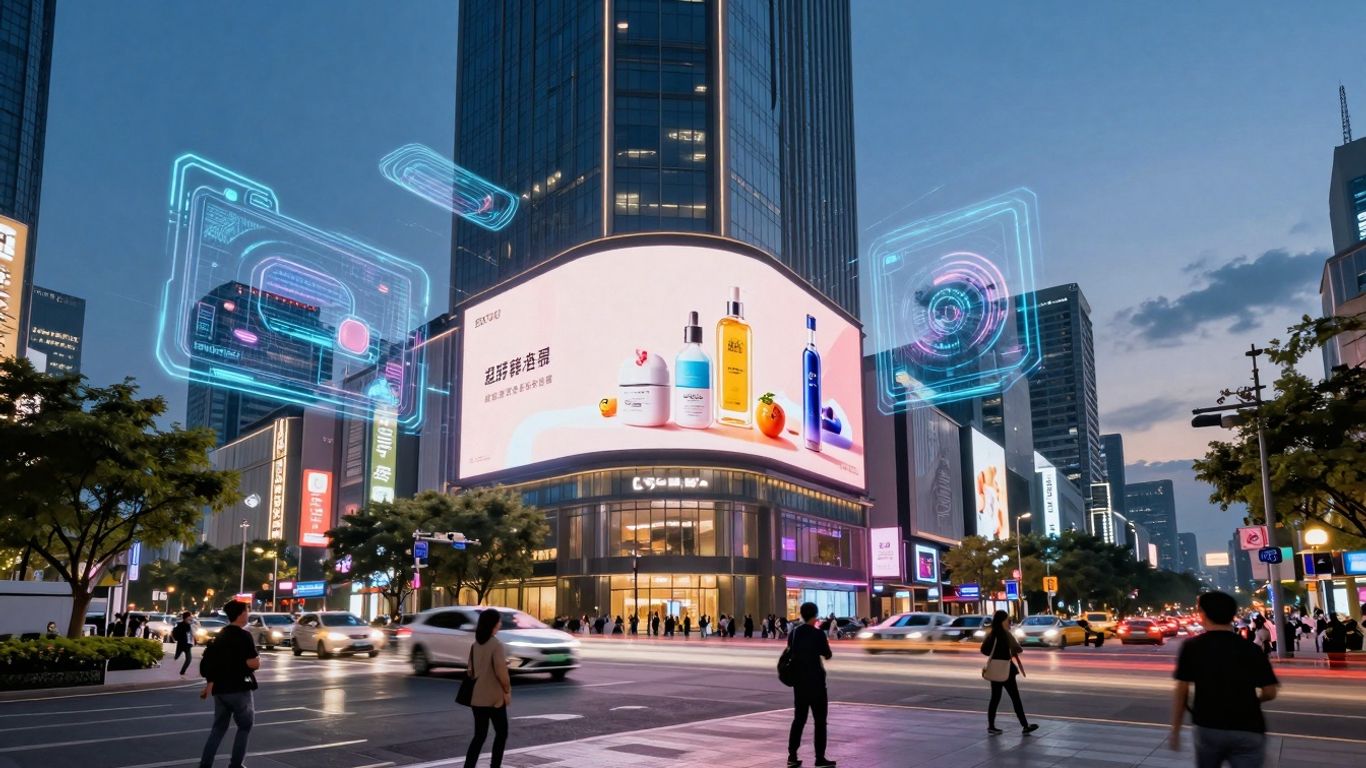
Augmented reality isn’t just a fancy tech trick; it’s actively changing how businesses connect with people. Think about it – instead of just looking at a flat picture or a video, you can actually interact with a product or brand in your own space. This opens up a whole new world of possibilities for marketers.
Revolutionizing Retail Experiences with Virtual Try-Ons
Remember the days of trying on clothes or makeup in a crowded store? AR is making that a lot easier, and frankly, more fun. Brands are letting customers virtually try on everything from sunglasses and sneakers to lipstick and even furniture. You can see how that new couch would look in your living room or if that shade of lipstick suits you, all from your phone. This isn’t just about convenience; it helps people feel more confident about their choices before they even click ‘buy’.
- Virtual Try-Ons: See products on yourself or in your space.
- Reduced Returns: Customers make more informed decisions.
- Increased Confidence: Boosts purchase intent.
Enhancing Live Moments in Events and Music
Concerts, sporting events, festivals – these are already exciting experiences. AR can crank that excitement up a notch. Imagine pointing your phone at the stage and seeing special effects appear, or getting real-time stats overlaid on the field during a game. It adds a layer of interactive magic that makes attending these events even more memorable. It’s about making the real world a bit more fantastical.
Creating Memorable Brand Experiences with Custom AR Games
Who doesn’t like a good game? AR lets brands create fun, interactive games that people can play anywhere. These aren’t just time-wasters; they’re opportunities for brands to get their message across in a playful way. Think about a fast-food chain offering a mini-game on their packaging, or a car company letting you race a virtual version of their latest model. These experiences stick with people long after the game is over.
Gamified AR experiences turn passive viewers into active players, making brand interactions more enjoyable and shareable. This approach taps into our natural inclination for play, creating positive associations with the brand.
The Future of Advertising Augmented Reality Campaigns
So, what’s next for AR in advertising? It’s not just about cool filters anymore. We’re looking at a future where AR ads become a natural part of our day, almost like a helpful assistant. Think about it: instead of just seeing an ad, you might interact with it in a way that feels completely organic to your surroundings. This shift means brands need to think beyond just grabbing attention; they need to create experiences that add real value.
The Convergence of AI and AR for Adaptive Content
Artificial intelligence is going to play a huge role here. Imagine AR ads that change based on who you are, where you are, or even how you’re feeling. AI can help tailor the AR experience in real-time, making it super relevant to you at that exact moment. This isn’t just about showing you a product; it’s about showing you the right product, in the right way, when you’re most likely to be interested. It’s like having a personal shopper built into your reality. This kind of adaptive content is a big step forward for global brands leveraging VR .
Ambient AR Advertising Embedded in Daily Life
We’re moving towards a world where AR isn’t something you actively seek out; it’s just there, woven into the fabric of your daily life. Think smart glasses or even just your phone acting as a window to an augmented world. Ads could appear subtly on a street corner, offering directions or information about a nearby store, or perhaps a virtual overlay on a product in a physical store. It’s about making advertising less intrusive and more integrated, providing helpful information or delightful interactions without being a nuisance.
Driving Deeper Brand Connections Through Immersive Storytelling
Ultimately, the future of AR advertising is about building stronger relationships with customers. By creating these immersive, interactive, and personalized experiences, brands can tell their stories in ways that were never possible before. It’s about moving from a one-way broadcast to a two-way conversation, where the consumer is an active participant. This deeper engagement leads to greater brand loyalty and a more memorable connection. It’s a move from simply seeing an ad to truly experiencing a brand.
Driving Conversions with Advertising Augmented Reality
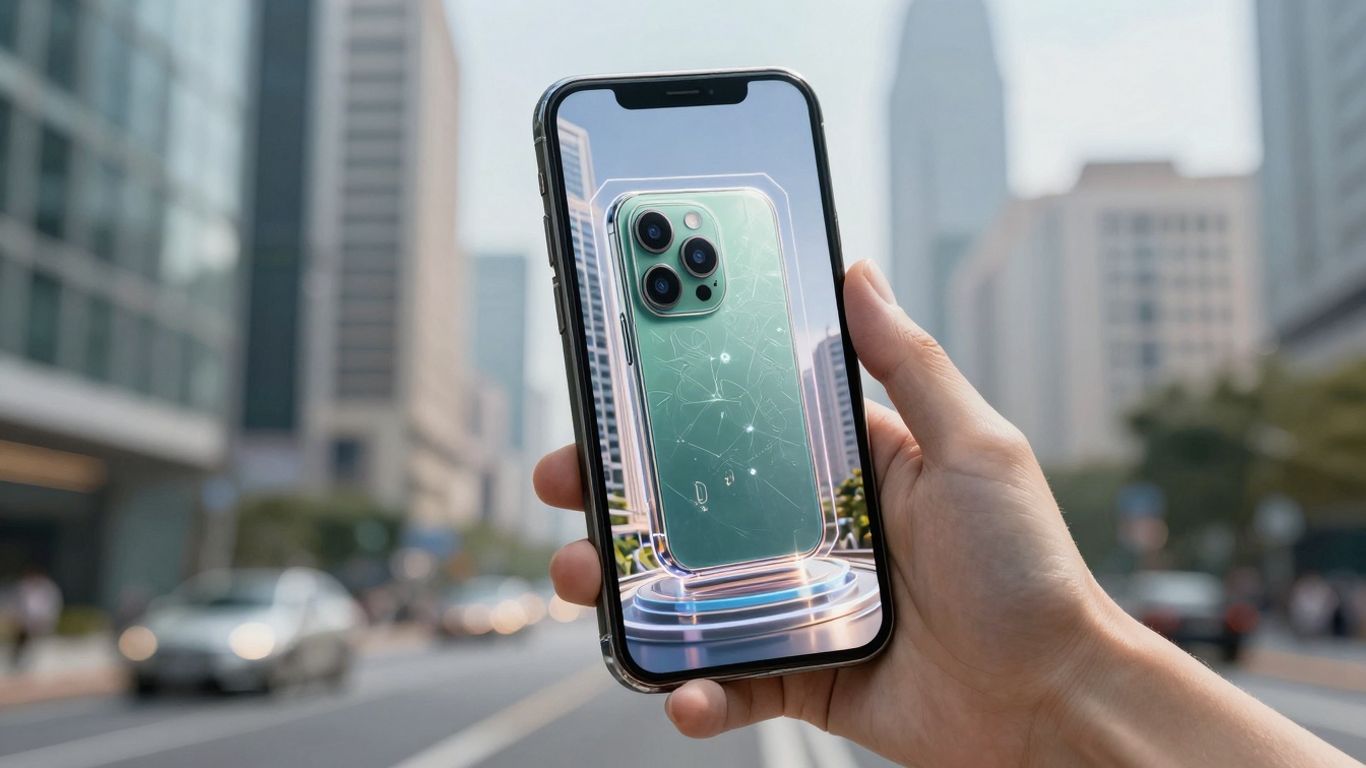
Augmented reality is really changing how brands get people to buy things. It’s not just about showing a product anymore; it’s about letting people interact with it before they even decide to purchase. This hands-on approach makes a big difference.
Accelerating Purchase Decisions with Personalized AR
Think about it: you see a cool sofa online, but you’re not sure if it’ll fit your living room or match your decor. With AR, you can place that exact sofa in your own space using your phone. You can walk around it, see it from different angles, and even change the fabric color. This kind of visualization removes a lot of the guesswork and doubt that usually slows down a purchase. It makes the decision feel much more certain. Brands that offer this kind of try-before-you-buy experience see customers move towards a purchase much faster.
Increasing Conversion Rates Through Interactive Demos
Traditional ads often just tell you about a product. AR ads, however, let you play with it. Imagine a new gadget; instead of just reading specs, you can virtually assemble it, see its features in action, or even simulate using it. This interactive demonstration is way more convincing than a static image or a video. It builds confidence and shows the product’s value directly.
- Virtual Try-Ons: Customers can see how clothes or makeup look on them. This is huge for fashion and beauty brands.
- Interactive Product Exploration: Users can zoom in, rotate, and even see a product’s internal workings.
- Gamified Experiences: Turning product interaction into a game makes it fun and memorable, encouraging deeper engagement.
Building Consumer Trust with Product Visualization
When people can see exactly what they’re getting, they tend to trust the brand more. AR provides a level of transparency that traditional advertising struggles to match. Seeing a product in your own environment, or interacting with a realistic 3D model, reduces the risk of disappointment. This builds a stronger connection and makes consumers feel more secure in their choice.
AR bridges the gap between online browsing and real-world experience. By letting consumers virtually interact with products, brands can significantly reduce purchase anxiety and build a foundation of trust that leads directly to more sales.
The Viral Potential of Advertising Augmented Reality
Inspiring User-Generated Content and Organic Reach
Think about it: when was the last time you saw an ad and felt compelled to share it with your friends? For most of us, it’s rare. Traditional ads are often just background noise. But augmented reality changes the game entirely. AR campaigns are designed to be experienced, not just seen. When people interact with something cool, like a virtual character popping out of a magazine or a filter that lets them try on a hat, they want to show it off. This naturally leads to them creating their own content – taking screenshots, recording videos, and sharing it all over social media. It’s like giving your audience a fun toy to play with, and they’ll happily show everyone else.
Amplifying Brand Visibility Through Social Sharing
This user-generated content is pure gold for brands. Every share, every post, every story featuring your AR experience acts as a free endorsement. It’s far more believable than a polished ad because it comes from a real person. Imagine a bus stop ad that suddenly comes to life with a roaring dinosaur – people won’t just look; they’ll pull out their phones and share that wild moment. This kind of organic spread can reach way more people than you could ever hope to with paid ads alone. It’s word-of-mouth marketing on steroids, powered by technology.
Achieving Greater Reach Than Traditional Campaigns
Let’s look at some numbers. Studies show that people are significantly more likely to share AR content they interact with. For instance, a good chunk of users say they’ll share AR experiences on social platforms. This means your brand gets seen by their friends, and their friends’ friends, creating a ripple effect. When you compare this to how often people share a standard banner ad (spoiler: rarely), the difference is huge. AR turns passive viewers into active participants and, more importantly, into enthusiastic brand advocates who spread the word for you. It’s a win-win: users get a fun experience, and brands get massive, authentic exposure.
The Intersection of AR and Emerging Technologies
Augmented reality isn’t just a standalone trick; it’s getting smarter by teaming up with other new tech. Think about it: AR combined with AI can make ads that change based on who’s looking or where they are. It’s like having an ad that knows you. We’re also seeing AR pop up everywhere, not just on our phones, but maybe projected onto buildings or integrated into everyday objects. This means brands can be present without being in your face.
Blockchain AR for Secure and Verifiable Marketing
This is pretty neat. Blockchain tech can make AR ads more trustworthy. Imagine an AR ad for a luxury watch. With blockchain, you could verify its authenticity right there in the AR experience. No more guessing if it’s real or fake. This builds a lot of confidence for shoppers.
Amplifying Authenticity with Social Media and Influencers
AR is a natural fit for social media. People love sharing cool AR filters or experiences. When influencers use AR in their posts, it feels more real and less like a traditional ad. This can lead to a lot of organic buzz. Brands can also use AR to let people try on clothes or see furniture in their homes before buying, and then easily share that experience.
Building Lasting Customer Connections Through Innovation
When brands use AR in new and interesting ways, it makes people remember them. It’s not just about a quick sale; it’s about creating a memorable interaction. This kind of innovation helps build a stronger relationship with customers over time. It shows you’re a forward-thinking brand that cares about giving people cool experiences.
- AR and AI: Ads that adapt in real-time.
- AR and IoT: Digital information layered onto physical objects.
- AR and 5G: Faster, more responsive AR experiences.
The future isn’t just about seeing things in AR; it’s about interacting with them in ways that feel natural and add real value to our lives. This blend of technologies means marketing will become less about shouting and more about inviting people into an experience.
Stepping Into the Future
So, we’ve seen how augmented reality is really changing the game for advertising. It’s not just about showing people ads anymore; it’s about letting them actually play with and experience products before they buy. Think virtual try-ons for clothes or seeing how furniture looks in your own home. Plus, these AR experiences get people talking and sharing, which is like free advertising for brands. As AR tech gets even better and more common, expect ads to feel less like interruptions and more like fun, useful parts of our day. Brands that jump on this now will definitely be ahead of the curve, connecting with customers in ways we’re only just starting to imagine.
Frequently Asked Questions
What exactly is augmented reality (AR) advertising?
Imagine using your phone to see a virtual sofa in your actual living room before you buy it, or trying on sunglasses without actually wearing them. That’s AR advertising! It’s like adding a digital layer of cool stuff onto the real world you see through your device, making ads more like an experience than just something to look at.
How does AR make ads more interesting?
Instead of just seeing a picture or a video, AR lets you play with ads. You can try things on, see how furniture looks in your space, or even play a quick game. This makes ads way more fun and keeps you looking longer, turning you from a watcher into someone who’s actually doing something with the ad.
Will AR ads help me decide what to buy?
Yes! AR ads let you ‘try before you buy’ in a virtual way. You can see exactly how a product will look or work for you. This helps you feel more confident about your choice, making it easier to decide if you really want to purchase something.
Do people share AR ads more often?
Definitely! Because AR ads are so unique and interactive, people love to show them off. They might share a cool AR filter they used or a virtual item they ‘tried on.’ This sharing helps spread the word about the brand without the brand having to pay for it directly.
Is AR advertising just for big companies?
Not at all! While big brands are using it a lot, AR advertising is becoming more accessible. Smaller businesses can also create fun AR experiences to connect with their customers in new and exciting ways. It’s a powerful tool for any company wanting to stand out.
What’s the future of AR ads?
AR ads are going to become even smarter, maybe working with AI to show you exactly what you might like, right when you need it. They’ll probably blend even more into our daily lives, like appearing subtly as you walk around, making ads feel less like ads and more like helpful or fun parts of your day.